
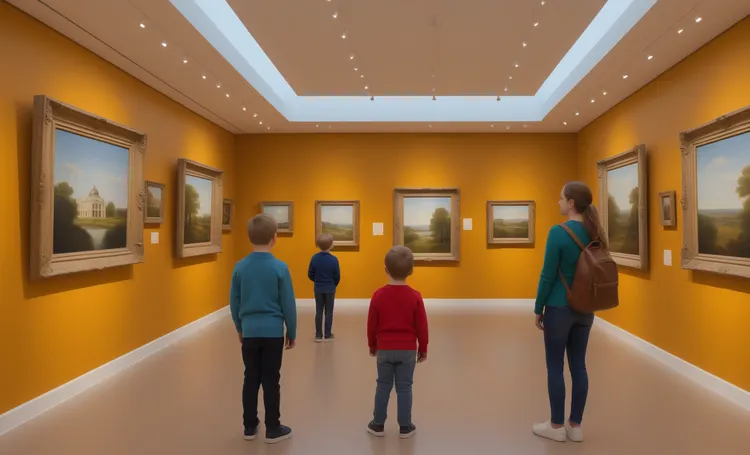
Children and art: why it is important to visit museums and galleries 🎨👶
In the modern world, where the kingdom of digital technology and the Internet has an undeniable influence on the education of the younger generation, it is especially important to remind people of the value of art and culture. For those who are looking for ways to enrich their child's creative potential, the products for creative development here will be a great help in this noble endeavor.
🌟 Why are museums and galleries important for children?
Art opens doors for children to a world of beauty, emotion and critical thinking. Visiting museums and galleries not only contributes to the development of aesthetic tastes, but also strengthens their intellectual and creative abilities.
- Developing Critical Thinking: Visiting museums encourages children's ability to ask questions, analyze information, and draw informed conclusions. Each painting or artifact is a mystery to be solved, and this exercise encourages critical thinking.
- Social skills: Museums are social spaces where children learn to communicate with art, other visitors and themselves. This helps develop communication skills and empathy.
- Emotional development: Art evokes an emotional response and helps children better understand their feelings. They learn to express their experiences through words and creativity, which is an important aspect of emotional intelligence.
📚 How to prepare a child for visiting a museum?
Before going to the museum, it is important to prepare your child so that the visit becomes interesting and educational.
- Art Pre-Introduction: Introduce your child to basic concepts of art and the history of the museum you are visiting. This can be done through books, movies or interactive games.
- Game form: Think of museum exhibits as parts of a larger game. You can create a quest or quiz around the museum halls.
- Creative tasks: Invite your child to sketch or describe the most interesting exhibits. This will help you better remember what you see and develop creative skills.
🖼️ Which museums and galleries are best for children?
The choice of a museum or gallery should depend on the age of the child and his interests. It is important that the exhibitions are interactive and understandable for children.
- Interactive Museums: Science and technology museums, such as the Deutsches Museum in Germany, are great for kids with lots of interactive exhibits.
- Contemporary Art Galleries: Contemporary art galleries such as the Tate Modern in London can be exciting for children with colorful and unusual pieces.
- History Museums: History museums can teach a child about humanity's past and develop an interest in history and archaeology.
The importance of museums and galleries in a child's education cannot be underestimated. Visiting these places with children is not only an opportunity to introduce them to culture, but also a unique way of learning through observation and personal experience.
- Sensory Experience: Museums provide rich sensory environments, from visual experiences to tactile sensations. This helps children develop perception and learn about the world through different sensory channels.
- Developing Imagination: Art and history stimulate children's imaginations, allowing them to travel to other times and places and imagine themselves as participants in events or creators of works.
- Learning through play: Interactive exhibits and play areas, which are being introduced into museum spaces today, make learning relaxed and fun. This supports children's natural desire to learn through play.
🧩 Integration of museum experience into education
Museum visits can be integrated into the educational process to expand and deepen a child’s knowledge.
- Curriculum-Based Visits: Many schools include museum field trips as part of their curriculum, allowing students to get hands-on experience of what they learned about in history, art, or science classes.
- Projects and Research: Students can complete projects based on museum exhibits, which develops research skills and critical analysis.
- Family visits: Going to museums together strengthens family bonds and allows you to discuss what you see, share impressions and learn new things together.
📈 The influence of art on academic success
Research shows that children who regularly visit museums and galleries demonstrate higher academic success.
- Improves Memory and Concentration: Museum exhibits and the stories behind them require attention and memorization, which helps improve memory and ability to concentrate.
- Development of language skills: Discussing works of art, reading descriptions of exhibits and participating in excursions help expand vocabulary and improve language skills.
- Increasing motivation to learn: Art can inspire children to explore new topics and subjects, increasing their motivation and interest in learning.
Visiting museums and galleries helps children feel part of society and learn about different cultures and customs, which is an important aspect of their social development.
- Diversity of Cultural Experiences: Museum exhibits often introduce different cultures and historical eras, which broadens a child's horizons and promotes tolerance for differences.
- Developing Empathy and Emotional Intelligence: Art often addresses complex emotional topics, helping children develop the ability to empathize and understand others' emotions.
- Social Adaptation: Interactions with other visitors and participation in museum programs teach children social skills and adaptation to various social situations.
🖼️Development of creative skills
Museums and galleries not only offer the opportunity to observe art, but also stimulate children's creativity through various educational programs.
- Inspire your own creativity: Seeing works of art can inspire children to create their own work, which encourages the development of original thinking and self-expression.
- Development of motor skills: Many museums offer master classes in drawing, modeling and other types of creativity, which has a positive effect on the development of fine motor skills.
- The ability to see and create beauty: Regular visits to museums and galleries teach children to appreciate the aesthetic side of life and develop a taste for beauty.
💡 Table: The benefits of museum visits for child development
| Age | Main advantages | Recommended Museums |
|---|---|---|
| 3-6 years | Sensory development, beginning of social adaptation | Children's museums, natural history museums |
| 7-11 years | Development of critical thinking, creative skills | Historical museums, art galleries |
| 12+ years | Deep understanding of culture, history, art | Specialized museums, international galleries |
📚 Conclusions
Museums and galleries play a key role in a child's education and development. They not only broaden one's horizons and knowledge of the arts, but also contribute to social, emotional and creative development. Regular visits to such places with children can have an invaluable impact on their future, creating a well-rounded personality capable of appreciating and creating beauty around them.