
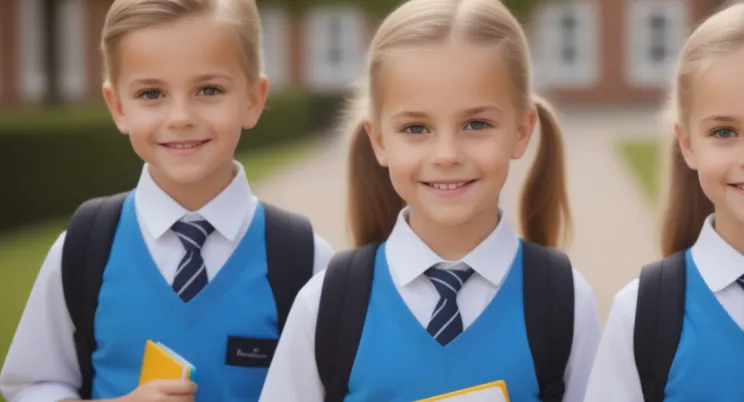
🎓👦 Children and school: strategies for a successful start and learning
Education is an important stage in the life of every child. Primary school will lay the foundation of not only academic knowledge, but also social skills that will become the basis for future achievements. That is why preparing for school and choosing the right products for success in school play a key role here.
📘 Preparing for school: first steps
The transition from a carefree childhood life to a more structured and demanding school routine can be difficult. Parents should think in advance about how to help their child adapt to the new environment.
- Developing Basic Academic Skills: To get a strong start in school, your child needs to know the basics of reading, writing and math. Playful forms of learning, such as puzzles, cards and educational games, will help your child master these skills.
- Social skills and independence: The ability to communicate with classmates and teachers, as well as self-care skills such as dressing and using the toilet without assistance, are equally important for school life.
- Physical fitness: Regular exercise and outdoor play helps children develop the coordination and stamina they need for an active school day.
📚 Academic skills for successful learning
The ability to concentrate in class, complete homework, and develop critical thinking are key elements to successful learning.
- Attention and concentration: Work on concentration can begin with simple tasks for a short period of time, gradually increasing their complexity and duration.
- Development of critical thinking: Stimulating curiosity and developing critical thinking skills help the child better understand educational material and apply knowledge in practice.
- Time Management and Organizational Skills: Keeping track of time needed to complete tasks and managing your schedule are important skills that will help your child cope with his school workload.
🧠 Development of intellectual abilities
For learning to be successful, it is necessary to systematically develop the child’s intellectual abilities. The use of logic games and puzzles helps improve memory and attention.
- Reading and literary literacy: Regular reading with your child and discussion of what you read contributes to the development of vocabulary and understanding of texts.
- Mathematical Literacy: Games and activities aimed at developing counting and math fundamentals will help your child feel confident in math lessons.
- Scientific Understanding: Experimenting and observing the world around us teaches children the basics of the scientific method and stimulates an interest in science.
🖼 Visual and creative skills
Creative activities such as painting, sculpting, music or theater develop imagination and visual thinking abilities.
- Art and Creativity: Art activitiesnot only enhance a child's creativity, but also promote emotional expression and relaxation.
- Musical Development: Learning music and participating in music activities improves memory, attention, and multitasking ability.
- Theater Arts: Participation in theater productions develops communication skills and the ability to work in a team.
🏫 Preparing for the school environment
Attending school is a significant change in a child's life. To make this transition easier, it is important to prepare him in advance for his new environment and routine.
- Establishing a Routine: Establishing a regular schedule at home will help your child adjust to the school schedule. This includes time for study, rest and sleep.
- Attending school events: Exposure to the future school environment and participation in events such as open days facilitates easy adaptation to the learning environment.
- Self-Care Skills: Learning to use the toilet, get dressed, and pack a backpack independently are important skills for younger students.
🧩 Social skills and adaptation
An important aspect of preparing for school is the development of social skills that will help the child communicate with classmates and teachers.
- Communication and Friendship: The ability to make friends and communicate in a group are key skills that a child can develop through games and group activities.
- Cooperation and teamwork: Games and activities that require teamwork teach children to work together and help develop a sense of solidarity and mutual assistance.
- Managing Emotions: Teaching children to recognize and express their feelings constructively is important for preventing conflict and creating a positive learning environment.
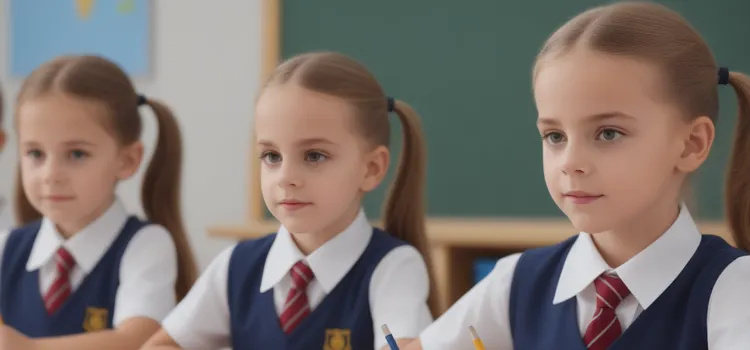
💡 Use of technology in teaching
Modern technology offers many learning tools that can help children learn new material and prepare for school.
- Electronic educational resources: Using educational apps and online courses can make the learning process more interactive and fun.
- Educational games on a tablet or computer: Games aimed at developing reading, writing and counting skills can complement traditional teaching methods.
- Interactive whiteboards and gadgets: The use of interactive whiteboards and educational gadgets in the classroom improves the perception of information and promotes better memorization of material.
📚 Preparing for school
Effective preparation for school requires attention to the child's learning environment and the development of basic academic skills.
- Creating a Study Space: Setting up a dedicated study space in the home helps your child focus on his studies and promotes better academic discipline.
- Developing Basic Academic Skills: Knowledge of the basics of reading, writing and mathematics is an important foundation for a successful start in school.
- Involvement in reading: Regular reading of books with your child not only improves reading skills, but also helps develop imagination and understanding of text.
📝Organization and time management
The ability to manage time and organize course materials are important skills for students to learn and prepare for class.
- Planning the Day: Teaching your child to create a schedule and task list helps him organize his learning process and develop responsibility.
- Task Management: Teaching your child to manage home and school assignments by prioritizing and keeping track of due dates helps build organization.
- Time for rest and breaks: It is important to ensure a balance between study and rest to avoid overwork and maintain high performance.

🤝 Involving parents in the educational process
Parents' active participation in their child's academic life plays a key role in their academic success.
- Parent consultations and meetings: Regular attendance at parent-teacher conferences and consultations with teachers allows you to keep abreast of your child's progress and difficulties in school.
- Homeschooling and homework help: Supporting your child's homeschooling and homework help promotes deep understanding of learning material.
- Support and motivation: Constant support and encouragement for your child's progress is important for his confidence and desire to learn.
Social skills are necessary for a child’s comfortable adaptation to the school community and successful communication with peers and teachers.
- Participation in school activities: Your child's active participation in school activities and clubs helps develop communication skills and provides an opportunity to make new friends.
- Communication with classmates: Parents should encourage the child to communicate with classmates by organizing joint games and friendly meetings outside of school.
- Developing Empathy and Respect: Understanding and respecting the feelings of others is an important aspect of social development that helps a child build healthy interpersonal relationships.
🧠 Psychological support and adaptation
The transition to school is a significant event in a child’s life, requiring emotional adaptation and support.
- Working with a school psychologist: Consultations with a school psychologist can help a child overcome anxiety and fear of a new stage in life.
- Discussing your child's concerns: Openly discussing your child's experiences and fears helps them feel understood and supported.
- Relaxation and Stress Relief Techniques: Simple breathing and relaxation techniques can help your child cope with school-related stress and anxiety.
📈 Tracking progress and adjusting training
Monitoring progress and constantly adjusting learning helps the child keep up with the program and develop according to individual capabilities.
- Regular parent meetings with teachers: Discussing the child’s successes and difficulties with teachers allows timely adjustments to the learning process and provision of the necessary assistance.
- Individual Development Plans: Creating individual development plans that take into account the child's personal strengths and weaknesses promotes effective learning.
- Using Educational Resources: Additional educational resources and programs can support the learning process and help your child learn new material.
Conclusions and Conclusion
Preparing for school and succeeding in learning is a complex process that includes both academic preparation and the development of social skills, the organization of learning space and time, as well as psychological support and the active participation of parents. It is important to remember that each child is unique, and the approach must be individualized to ensure comfortable adaptation and achievement of better learning results.