
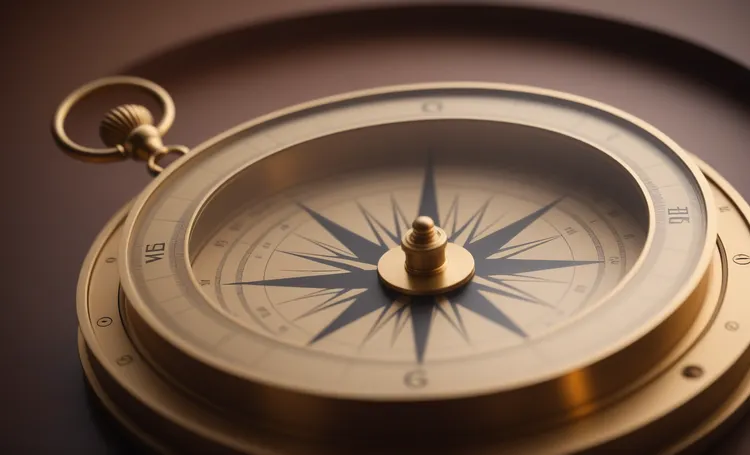
Intuition: the mysterious compass of creativity 🧭✨
Each of us has a hidden source of inexhaustible creativity – intuition. It is an inner voice that, despite lacking a logical explanation, often points the right direction in the flow of creative ideas. By discovering tools for developing intuition here, you can enrich your creative potential and give the world something unique.
🧠 Psychology of intuition
Intuition is not just fleeting inspiration; it is a complex psychological process that deserves in-depth study.
- How does intuition work?: Intuitive insights come when the brain connects pieces of information at a subconscious level, creating new and unique combinations of ideas that consciously may seem too bold or unusual.
- Intuition vs. Logic: Intuition is often contrasted with logic, but in fact, it can work in tandem with analytical thinking to produce powerful creative synthesis.
- Intuition in Decision Making: Intuition plays a key role in decision making, especially under conditions of uncertainty when data is incomplete or difficult to analyze.
🎨 Intuition in creativity
Creative people often rely on intuition to find non-trivial solutions and bring their wildest ideas to life.
- Intuition of Artists and Writers: Famous artists and writers such as Pablo Picasso and Virginia Woolf have often mentioned that their best work was inspired by intuitive impulses.
- Music and Intuition: In music, intuition helps composers create harmonies that feel right even if they break theoretical rules.
- Intuition in Scientific Discovery: Many great scientific discoveries, including Albert Einstein's theory of relativity, were made through sudden serendipity.

🌟Development of intuition
Exercises to Strengthen Your Intuition
- Meditation: Helps clear the mind and strengthen the inner voice.
- Recording Dreams: Dreams can be a source of intuitive ideas.
- Self-Awareness: Thinking through your own reactions and feelings promotes a better understanding of intuitive impulses.
Visualization techniques
Visualization is a powerful tool for developing intuition. By imagining the desired outcome, we subconsciously begin to notice possibilities that we had previously ignored.
Openness to new experiences
New experiences expand the boundaries of perception and allow intuition to find a wider range of avenues for creative expression.
🤔 Critical thinking and intuition
- The Role of Intuition in Critical Thinking: Intuition can be a powerful complement to critical thinking, providing unconventional perspectives that logic ignores.
- Doubt as a Path to Intuitive Truth: It is important to learn to doubt your initial intuitive decisions in order to eliminate subjective biases and test them for strength.
- Intuition and Experience: With experience, intuitive judgments become increasingly accurate as a person learns to recognize hidden patterns and signals.
💼 Intuition in business
- Making decisions based on intuition: In business, especially in startups where quick decision making is critical, intuition can be the key to success.
- Leaders' Intuition: Successful leaders like Steve Jobs are known for listening to their intuition when choosing the direction for their company.
- Innovation through Intuition: Intuitive breakthroughs often become the source of innovation, paving the way for the development of new products and services.
👩🎓 Intuition in education
- Intuitive Learning: Intuition can help students learn complex concepts by allowing them to “feel” the material rather than simply memorize facts.
- Intuition and Teaching Methods: Modern educational approaches such as Montessori emphasize the development of intuition in children as a means of self-expression and understanding of the world.
- Intuition and Academic Research: Academics value the ability to intuit the potential of new research and hypotheses that can lead to meaningful discoveries.

📚 Intuition and literature tour a
- Intuition in the Writing Process: Many writers rely on intuition to create plots and characters, which makes their stories more vivid and compelling.
- Literary works about intuition: Literary works in which the main driver of the plot is the intuition of the characters often have special depth and unpredictability.
- Critics and Intuition: Critics use intuition to evaluate literary works, grasping subtle nuances and implications that are inaccessible to a purely analytical mind.
🧠 Intuition and psychology
- Psychological Study of Intuition: Psychology studies intuition as an important aspect of human perception and decision making, providing insight into the mechanisms behind it.
- Intuition in Clinical Practice: Therapists and psychologists sometimes rely on intuition to better understand and help their clients.
- Intuitive skills training: Some psychological trainings include exercises to develop intuition to help people make more balanced and harmonious decisions.
🎨 Intuition and art
- Art as an Expression of Intuition: Art is often a reflection of the intuitive perception of the world, where artists convey emotions and ideas that go beyond logic.
- Intuition in the Creative Process: Many artists describe their work as an intuitive process in which they are “guided” by inner feelings and moods.
- Intuition and Art Perception: Viewers also use intuition to interpret and find personal meaning in works of art that may not be obvious at first glance.
🌐 Intuition and global society
- Intuition in Intercultural Communication: Intuition can help in intercultural communication by allowing people to “feel” the nuances of other cultures and connect on a deeper level.
- Globalization and intuitive processes: In the context of globalization, intuition becomes an important tool for making decisions in a rapidly changing world, where there is not always time for long-term analytical reflection.
- Intuition and social networks: Intuition also plays a role in the use of social networks, where users are often guided by intuitive preferences when choosing content to interact with.

📈 Intuition in business and innovation
- Intuition in Business Decision Making: Intuition plays a key role in business, especially when it comes to making risky decisions or entering new markets where insights may be limited.
- Innovation through Serendipity: Many of the most significant innovations have resulted from serendipity by their creators, demonstrating how intuition can lead to breakthrough ideas.
- Intuition and Leadership: Great leaders often rely on intuition to understand trends and influence their subordinates, which helps build strong and effective teams.
🧘♀️ Intuition and personal growth
- Intuition as a Tool for Self-Discovery: Intuition can serve as a powerful tool for personal growth because it helps people understand their own desires and needs on a deeper level.
- Developing Intuition through Meditation: Meditation and other mindfulness practices are often used to develop intuition, allowing people to better hear their inner voice.
- Intuition and Life Transitions: During times of major life changes, such as a career change or moving to another country, intuition can serve as guidance and support.
📚 Intuition and education
- Teaching Intuitive Skills: Modern educational approaches include the development of intuitive skills as a way to support creativity and flexible thinking in students.
- Intuition and Informal Learning: Informal learning, such as travel or cultural exchange, can greatly enhance intuitive abilities, broadening your perspective and understanding of the world.
- Role of Intuition in Academic Research: Intuition also plays a role in scientific research, helping scientists find innovative solutions and new directions in their work.