
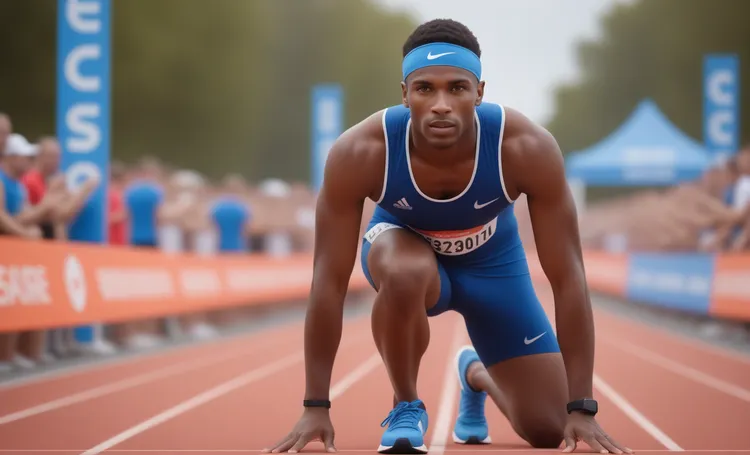
Confidence at the start: the key to victories in sports 🏆
The secret to success in sports lies not only in physical fitness, but also in mental toughness. Confidence plays a crucial role in achieving great results. Sometimes all you need to win is self-belief, which can be strengthened by, for example, choosing the right confidence-building tools.
🧠 Psychology of confidence
- Confidence and motivation: Confidence directly affects motivation in sports. The higher the level of self-confidence, the less room for doubt and the stronger the desire to move forward. Confident athletes set more ambitious goals and are more likely to achieve them.
- Confidence and Performance: There is a direct correlation between confidence and performance in sports. Athletes who believe in themselves typically perform better due to increased concentration and focus on the task at hand.
- Confidence and Stress: Competitive stress is another obstacle to winning. Confident athletes are more resistant to pressure, as they know how to manage their emotions and tension before the start.
💪 Developing confidence
- Setting Goals: Setting realistic and achievable goals is the first step to building confidence. This creates an understanding that success is achievable and creates a clear plan of action.
- Visualization of Success: Visualization techniques help build confidence by allowing the athlete to “walk through” the successful execution of an exercise or competition in their imagination.
- Feedback and Self-Reflection: Constructive criticism and self-reflection after training and competition allows you to understand what was done well and what can be improved, helping to increase confidence.
🤼♂️ Examples from sports
- Success Stories: Success stories of famous athletes such as Michael Jordan or Serena Williams show how confidence helped them overcome adversity and achieve great heights.
- Lows and highs: Every athlete faces setbacks, but not everyone can return to success. Confidence helps you not to lose faith in yourself even after defeat.
- Role of the Coach: Coaches play a key role in developing an athlete's confidence. They create a supportive environment, help set the right goals and develop strategies to achieve them.
🏋️♂️ Workouts for confidence
- Physical Fitness: Physical fitness is not only about improving athletic performance, but also about building confidence through awareness of your own strengths and capabilities. Each successfully completed workout adds confidence to the athlete in his abilities.
- Mental training: Mental training, such as meditation and mental health work, helps athletes develop the mental toughness and confidence needed to cope with the pressure of competition.
- Reflecting on Past Achievements: Reflecting on past successes can help athletes gain inspiration and boost their confidence, which is especially important during times of doubt and uncertainty.
📈 Statistics and confidence
Success table
Documenting successes and achievements in the form of a table or graph allows you to visualize your progress and keep your confidence high.
| Year | Achievement | Investment in confidence |
|---|---|---|
| 2018 | Victory in the marathon | Improved self-esteem |
| 2019 | Personal record | Confirmation of competence |
| 2020 | Return after injury | Overcoming barriers |
-
Research and Data: Scientific research confirms that confidence has a positive effect on athletic performance. Statistics and data help us understand which factors most impact confidence.
-
Surveys and Opinions: Surveys of athletes and coaches show that confidence is often a determining factor in achieving athletic goals.
🧘♀️ Practical exercises for confidence
- Self-affirmation: The practice of self-affirmations helps to strengthen self-confidence. Repeating positive affirmations in front of a mirror or during meditation can be a powerful tool for boosting confidence.
- Role-playing: Role-playing and mental simulations of competition allow the athlete to experience different scenarios and develop confident behavior under pressure.
- Determination: Focusing on goals and achieving them step by step builds confidence that the athlete is on the right path and can achieve his plans.
🗣️ The role of communication in building confidence
- Social support: Social support from coaches, team and fans plays a key role in building confidence. Emotional connection and encouraging words can greatly enhance an athlete's self-belief.
- Sharing experiences: Connecting with other high-achieving athletes can be a source of inspiration and confidence. Hearing stories of success and overcoming difficulties makes you believe in yourself.
- Constructive Feedback: Regular constructive feedback from the coach helps the athlete understand their strengths and areas for growth, which helps build confidence in their performance.
🏆 Confidence and achieving goals
- Goal and Focus: A clear goal and focus on achieving it builds confidence and directs the athlete's efforts in the right direction.
- Visualizing Success: Visualizing yourself achieving a goal can boost confidence and motivation. The mental image of success prepares the psyche for actually achieving goals.
- Celebrating Small Wins: Recognizing and celebrating even small wins is important to maintaining a high level of confidence. Every step forward must be noticed and appreciated.
🎓 Education and confidence
- Theoretical knowledge: Knowledge of the theory of the sport and understanding of the intricacies of technique increases the athlete’s confidence in his actions.
- Training Courses: Specialized training courses and seminars provide valuable knowledge and skills that the athlete can put into practice and thereby increase their confidence.
- Continuing Education: A constant commitment to learning and development is key to maintaining self-confidence as the athlete always feels progress in their skill.
“Confidence is something that can be developed. Every step, every workout, every victory over oneself brings us closer to great achievements.” – famous athlete.