

Dehydration in an adult: photos, signs and consequences of severe dehydration
Accordingly, the ability to completely digest food that enters the stomach decreases. As a result, slagging and acidification of the body occurs. What else leads to dehydration of the body, and what are the consequences of this condition, is described in detail on this page.
Causes and symptoms of dehydration
The main reason for dehydration of the body is its general slagging due to the accumulation of uric acid and other incompletely oxidized toxic substances deposited in the entire drainage system: vessels, veins, interstitial space, joints, muscles. As a result, the body, experiencing a constant lack of nutrition and oxygen, cannot function normally, “suffocating" in accumulated toxic substances, that is, in the environment in which pathogenic microflora begins to manifest itself, up to the formation of tumors. By the way, the lack of water inside the cells leads to the destruction of enzymes – enzymes responsible for removing toxic substances from it.
As shown in the photo, when the body is dehydrated, there is a violation in the work of the capillaries of the blood-brain barrier:
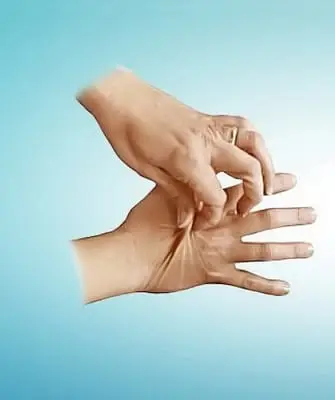
As a result, harmful substances penetrate there, and this causes many neurological disorders, including multiple sclerosis, Parkinson's disease, Alzheimer's. Water is the second after oxygen means necessary for the normal functioning of brain cells, and the main nutrient of all its functions. That is why the brain contains 85% water in the entire spinal canal, while in all cells of the body – no more than 75%.
With age, the amount of water in the human body changes. In the womb, the body of a child contains 90-95% of the fluid, born – 85-90%, a growing child – 80-85%, a young person – 75-80%, an adult – 70-75%, and in an elderly person – up to 60%. And this is despite the fact that in old age you want to drink less and less. However, biochemical and energy reactions take 1.5 liters of fluid per day, which must be replenished. Such a lack of water reduces the production of digestive juices, food is not completely digested, due to which the body becomes slagged, acidified and various diseases occur that end in oz: sclerosis, arthrosis, atherosclerosis, osteochondrosis, cirrhosis and similar diseases.
Signs of dehydration in an adult are:
- dizziness; headache, irritability, fatigue, depression, memory loss, senile dementia – these are manifestations of a lack of water in the brain;
- chronic lung diseases, bronchial asthma and other lung diseases are, first of all, the result of dehydration;
- also signs of dehydration are irritability, depression, fatigue, insomnia;
- swelling under the eyes, puffiness of the face, dryness or, conversely, excessive oiliness of the skin;
- cardiovascular, renal failure;
- any diseases associated with the nervous system (multiple sclerosis, Parkinson's and Alzheimer's diseases, encephalopathy, etc.);
- diseases of the organs of vision (cataract, glaucoma – this is a consequence of general slagging as a result of dehydration of the body, including the liquid structures of the eyes);
- diseases of the ears and nasopharynx;
- discomfort observed in the gastrointestinal tract (rumbling, constipation, dysbacteriosis, colitis, etc.) is a manifestation of dehydration; water, liquefying fecal stones, contributes to a more rapid elimination of toxic substances formed in the intestines as a result of metabolic processes.
- Symptoms of dehydration of the body are swelling of the legs, cramps in the calf muscles, burning sensation in the feet and toes, trophic ulcers, thrombophlebitis, arthrosis, arthritis;
- any manifestations on the skin: eczema, psoriasis, scleroderma, etc.;
- myasthenia gravis;
- flushing sensation in menopausal women.
- Frequent signs of dehydration in humans are pain of various localization.
What happens to the body when dehydrated?
The consequences of dehydration can be:
- diabetes, hypertension and hypotension;
- the decrease in water with age leads to an increase in blood viscosity, more intense work of the heart, vascular disease, heart attack and stroke, Alzheimer's disease, multiple sclerosis, diseases of the veins and eyes. The lack of water in the body leads to thickening of the blood, which increases the risk of heart attack and stroke by 40%.
- Severe dehydration of the body leads to cancer of the liver, gallbladder, pancreas, kidneys. Rectal cancer occurs 3-5 times less often if the water intake per day is at least 1.5 liters (excluding first courses, juices, vegetables). If a woman drinks at least 6-8 glasses of water per day (not to mention 2 liters), then the risk of breast cancer will decrease by 5 times.
- The more dehydrated the body, the stronger the desire to eat fatty foods, and this, together with the use of refined foods, leads to obesity, stone formation in various organs, and atherosclerosis. If there is a desire to eat, then you need to drink 1-2 glasses of water, and this desire will disappear, and with it, in just one month, you can get rid of several kilograms of weight, which cannot be achieved by any physiological diet.
- The appearance worsens: wrinkles appear, thinned, dry or oily skin, eczema, psoriasis. These are not diseases, but manifestations of a lack of water, which in the skin should be at least 50%. In addition, the condition of the skin worsens if it is often washed with shampoos and gels, in which there are a lot of preservatives and alkalis that wash away the acidic environment of the skin.
- In the case of dehydration, metabolic disorders appear in the body – osteochondrosis, osteoporosis, arthritis and the like. There is an accumulation in the body of under-oxidized toxic products as a result of a neglectful attitude to nutrition (fast food, poor chewing of food, consumption of liquids during and after meals, insufficient physical activity (morning exercises, sports), due to lack of water in the body, with by which toxic substances are removed from it.
- Reducing the amount of water to 10% borders on death.
What to do to avoid dehydration? Saturate the body with water: drink up to 1.5-2 liters of pure water. If you drink tea or coffee, then this is already changed water. In order for the body to benefit from it, the cell must purify this water and let only pure water in, and what was in tea (coffee) must be removed from the body. Some of these toxins are thrown out, and some go to the liver, kidneys, which leads to atherosclerosis. The less water, the more the pH shifts to the acid side. Violated acid-base balance.