
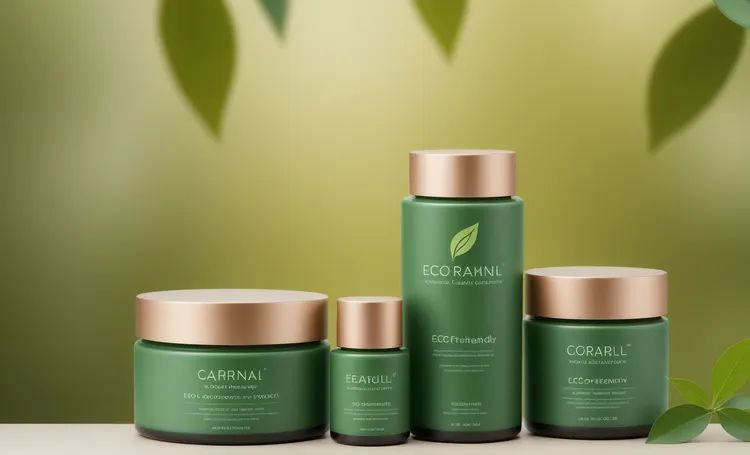
🌿 Green choice: leading brands of ecological cosmetics 🌍
Every day, more and more people are focusing on sustainable consumption by choosing environmentally friendly products. This store has a wide selection of eco-friendly cosmetics that combine concern for health and nature. This post is dedicated to the best eco-cosmetics brands that have earned consumers' trust with their transparency and innovation in sustainable production.
🌱 Conscious approach to beauty
Choosing eco-cosmetics is not only a trend, but also a responsible decision that emphasizes respect for nature and one’s own health.
- Sustainable ingredients: Eco-cosmetics use natural ingredients obtained with minimal impact on the ecosystem.
- Health safety: The products do not contain harmful chemicals, which makes them safe for even the most sensitive skin.
- Eco-friendly packaging: Eco-cosmetics brands actively use recycled and biodegradable materials to package their products.
🔄 The sustainability cycle in cosmetics production
The production of environmentally friendly cosmetics requires an integrated approach that takes into account all stages of the product life cycle.
- Selection of ingredients: Priority is given to renewable sources of raw materials.
- Production process: Minimizing waste and energy consumption in production.
- Packaging and transportation: Use of environmentally friendly materials and optimization of logistics.
🏆 Top brands of eco-friendly cosmetics
Check out this list of brands that stand out from the crowd with their green and sustainable accomplishments.
- Aveda: Founded in 1978, Aveda was one of the first in the beauty industry to put sustainability first. Their products include a wide range of hair and skin care products and they are committed to being completely carbon neutral.
- Dr. Bronner's: Dr. Bronner's is known for its multi-use soaps and strict sustainable manufacturing policies. Their products are Fair Trade Certified and Organic.
- The Body Shop: The Body Shop was a pioneer in the cruelty-free beauty movement and continues to be committed to sustainability with a focus on social and environmental initiatives.
- Lush: Lush is famous for its fresh, handcrafted products and its Zero Waste policy. They actively promote ethical sourcing of ingredients and minimal packaging.
📊 Comparison of environmental friendliness of brands
| Brand | Ingredient sustainability | Eco-friendly packaging | Production approach |
|---|---|---|---|
| Aveda | High | Biodegradable | Carbon neutral |
| Dr. Bronner's | Organic, Fair Trade | Reworked | Energy efficient |
| The Body Shop | Ethical origin | Return program | Social responsibility |
| Lush | Fresh, natural | Minimum packaging | Zero Waste |

🛍️ Packaging as a guarantee of environmental friendliness
Eco-friendly packaging is one of the key aspects of eco-cosmetics. Brands are trying to reduce their use of plastic by switching to biodegradable and recyclable materials, which reduces the environmental footprint of products.
- Biodegradable materials: These are materials that can be naturally broken down by microorganisms.
- Recyclable Packaging: Packaging that can be reused or recycled helps reduce waste.
- Restocking: Some brands offer product refills, allowing you to reuse the same package multiple times.
🌎 Contribution to society and nature
Eco-friendly brands not only reduce their environmental impact, but also actively participate in social and environmental projects.
- Community Support: Many brands work directly with communities around the world to ensure their ingredients are ethically sourced.
- Biodiversity conservation: Eco-cosmetics often support programs to preserve biodiversity and protect rare plant species.
- Educational programs: Educating consumers about sustainable consumption and environmental issues is part of the mission of many environmental brands.
🤝 Social responsibility and transparency
A key aspect of a sustainable brand is transparency of production processes and social responsibility.
Transparency:
- Transparency: Brands must provide detailed information about the origin of ingredients, working conditions and environmental impact.
- Certifications: Certifications such as Fair Trade and Leaping Bunny ensure high standards are met.
Social responsibility:
- Supporting communities: Investing in local communities and supporting sustainable development.
- Charity: Many brands donate part of their profits to charity and support social programs.
📝 Environmental initiatives of brands
“Our mission is to care for the world we live in, from the products we make to the ways we contribute to society.” – CEO of Aveda
This reflects a general trend in the cosmetics industry, where brands strive to not just sell products, but also make a positive contribution to the world.