

🧭 Intuition as a compass in the world of elections
Intuition is a quiet inner voice that often knows the answers to questions even before we realize them. This is why it is important to learn to listen to your intuition and interpret its signals. Here , tools for developing intuition, you can find many useful resources that will help in this not always easy, but extremely important process.
🌟 Why is it important to listen to intuition?
- Definition of intuition: Intuition is not just an emotional reaction or a random hunch. This is a complex psychological process that involves the subconscious perception of information that our minds cannot always comprehend immediately.
- Intuition vs Logic: Often we are faced with a dilemma: follow logic or trust intuition. Although logic is an important tool for solving problems, intuition can offer an alternative way of looking at a situation that is more in line with our inner desires.
- Intuition as the Source of Creativity: Many creative people claim that their best ideas come intuitively. The inner voice can be a source of inspiration and innovative solutions.
📚 Historical understanding of intuition
- Intuition in Philosophy: Since ancient times, philosophers have tried to understand the nature of intuition. Plato considered intuition to be the soul's way of seeing ideas, while Descartes argued that intuition is the light of natural reason that allows us to see truth.
- Intuition in Psychology: Sigmund Freud and Carl Jung studied intuition as part of the subconscious and collective unconscious, respectively. They believed that intuition helps us access deep psychological knowledge.
- Modern Science of Intuition: Modern research shows that intuition is the result of the brain quickly analyzing past experiences and existing data to make decisions.
🧠 Psychological aspects of intuition
- Unconscious Perception: Intuition often refers to our ability to unconsciously notice and process information that may not be obvious at a conscious level.
- Decision making: Research shows that intuitive decisions can be as effective as those made based on detailed analysis, especially under conditions of uncertainty.
- Connection with Emotions: Intuition is closely related to emotions – it can provide us with important information about our true feelings towards a situation or person.
🗝 How to develop intuition?
- Meditation and Mindfulness: Regular practice of meditation and mindfulness can help improve your connection to your inner voice and train your mind to listen to your intuition.
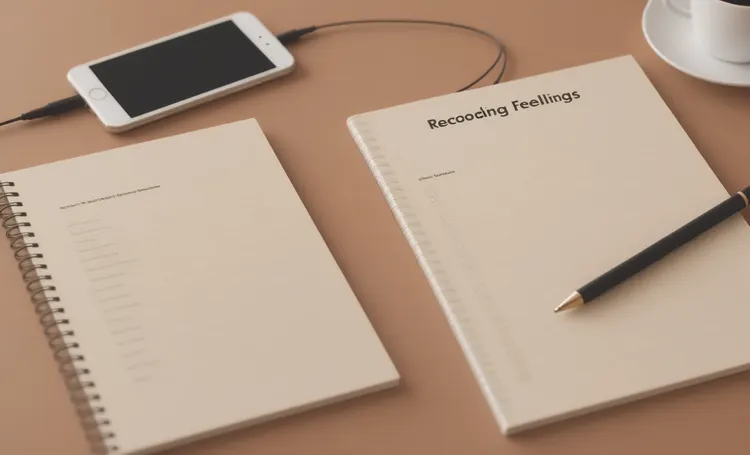
- Journaling Thoughts and Feelings: Journaling or writing down your thoughts and feelings can help you pick up on intuitive cues and understand them better.
- Lucidity of dreams: Dreams can be a window into the subconscious and a source of intuitive insights, so it is important to pay attention to their analysis.
The influence of intuition on everyday life
- Intuition in Personal Life: Intuition can help us make important life decisions such as choosing a partner, a career path, or even everyday choices such as what to buy at the store.
- Intuition in Business: In the business world, intuition plays a role in decision making when there is not enough time to fully analyze a situation, especially in conditions of high uncertainty.
- Intuition and Health: By listening to our inner voice, we can better understand the needs of our body and mind, which can lead to a healthier lifestyle.
Emotional Intelligence and Intuition
- Importance of Emotional Intelligence: Emotional intelligence helps us better understand and manage our emotions, which directly affects our ability to listen to and understand intuitive signals.
- The connection between emotions and intuition: Intuitive sensations are often conveyed through emotions. Learning to recognize and interpret your feelings is key to using your intuition effectively.
- Development of emotional intelligence: Through the practices of self-knowledge and self-reflection, emotional intelligence can be developed, which will enhance intuitive abilities.
Intuition in different cultures
- Intuition in Eastern Philosophy: In the traditions of Eastern philosophy, such as Taoism and Zen Buddhism, intuition is valued as a way to achieve harmony with the world and understand its laws.
- Intuition in Western Culture: In the West, the approach to intuition is more analytical, and it is often seen as part of cognitive processes and a tool for decision making.
- Modern Perception of Intuition: Today, intuition is increasingly recognized and studied as an important resource in psychology, business and personal growth.
Table: Intuition vs. Logic
| Intuition | Logics |
|---|---|
| Quick solutions | Thoughtful decisions |
| Based on sensations | Based on facts |
| Subjective | Objective |
| Difficult to explain | Logically sound |
| Can be effective in uncertainty | Requires data for analysis |
How does intuition relate to personal mission and goals?
- Understanding Personal Mission: Intuition can help us understand our personal mission and guide us in the right direction in life.
- Goal Setting: By listening to our inner voice, we can set goals that resonate deeply with our inner self, and this increases the chances of achieving them.
- Synchronicity with Life Goals: Intuition helps us to be in harmony with our life goals and avoid what is contrary to our true aspirations.
Examples of successful use of intuition
- Famous Leaders and Intuition: Many successful business leaders, such as Steve Jobs, are known for listening to their intuition when making decisions.
- Intuition in Science: Even in science, there are examples where intuition has helped scientists make breakthrough discoveries, such as Kekule and his intuitive vision of the structure of benzene.
- Intuition in Art: In art, intuition plays a key role in the creative process, allowing artists to create works that touch deep emotions.
“Intuition is a gift, and logical thinking is a faithful servant. We have created a society that honors the servant and has forgotten the gift.” – Albert Einstein
Practices for developing intuition
- Meditation and Silence: Meditation and spending time in silence can help strengthen your connection to your inner voice, making it clearer and more distinct.
- Journaling Thoughts and Dreams: Regularly journaling your thoughts and dreams can be a powerful tool for recognizing and analyzing intuitive messages.
- Mindfulness: Practicing mindfulness in everyday life teaches us to be more attentive to intuitive cues and cues.
Overcoming doubts about your intuition
- Trusting Yourself: Developing confidence in your own feelings and intuitions is key to acting on your intuition.
- Distinguishing Intuition from Fear: It is important to learn to distinguish true intuition from fears and worries that may masquerade as intuitive sensations.
- Accepting mistakes: Accepting that your gut is not always right and mistakes are part of the process of learning and growing.
Social and cultural aspects of intuition
- Intuition and gender stereotypes: There are gender stereotypes associated with intuition, such as the belief that women are more intuitive, but evidence shows that intuition does not have a gender preference.
- Intuition in the professional field: In the professional field, intuition can be a powerful tool for making decisions when there is no time for detailed analysis or lack of complete data.
- Intuition in Intercultural Communication: Intuition can play an important role in intercultural communication, helping translators and business people quickly understand and adapt to new cultural contexts.
Conclusion
- Intuition as a Path to Self-Knowledge: Intuition can be a powerful guide in the journey to self-knowledge and self-realization.
- Balance Intuition and Rationality: To achieve optimal results, it is important to learn to find a balance between intuition and rational analysis.
- Continuous Development and Learning: Because intuition is closely tied to personal experience, its development is an ongoing process that requires openness and a desire to learn.
Intuition is not just a spontaneous burst of creative insight, but also the result of accumulated life experience, knowledge and observations. The ability to listen to and trust your inner voice can be a decisive factor in making important decisions, both in your personal life and in your professional life.