
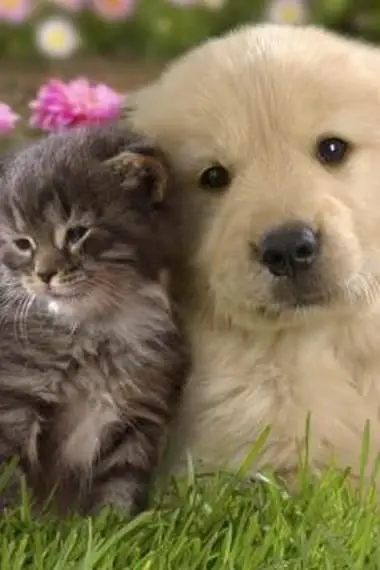
Pets for children: how to get a pet for a child, raise it and care for it
If you want to raise your baby as a responsible and kind-hearted person, ready to take on sometimes difficult responsibilities, then be sure to get a pet for your child. We offer you practical advice on choosing, growing and caring for a pet.
Before getting a pet for a child
Before you get a pet for a child, when choosing a dog, consider the physical capabilities of the child. A Labrador in a fit of enthusiasm will carry a preschooler and a junior schoolchild from their place and will not even notice it. A Yorkshire Terrier or Chihuahua is so fragile that it may not survive a fall off the couch or a strong hug from a child. Large, strong and potentially aggressive dogs should not become pets for a child – you will have to take care of their upbringing and walking. A pet for a child should be calm and not aggressive.
Sooner or later, any child starts a conversation with his parents about fish, birds, cats, turtles, hamsters or dogs. Let's figure out how to get a pet with the least loss for the whole family.
How to choose and which pet to have for a child
Planned at the family council, a decision is made to purchase a pet. You choose the species, breed, gender of the future pet, find a pet store or breeder. This is the best way to get someone, take into account the preferences of family members, rule out possible allergic reactions in advance, plan for the purchase of an animal and a “dowry" for a new family member. Before choosing a pet, ask the child himself about his preferences.
The planning period can be used to raise children: boldly set the conditions under which the animal will become a member of the family. Let the children prove that they are ready for responsibility by making their beds for several months, putting the nursery in order, and so on. Let them also study the literature about the future pet and pass you an exam on knowledge of habits, preferences, and care features. Children "broke" at the preparatory stage? It's good that this happened before the fluffy ball got into your house. You still have the right to decide which pet to get for your child.
Pets: how to choose without a choice

Sometimes animals appear by themselves. In this case, you do not have a question about how to choose pets. You can only accept or be. Unplanned, one of the family members (often the child himself, tired of the constant refusals of his parents) puts the rest before the fact. Like, this is Druzhok, and now he will live here. Alternatively, an animal enters your house by accident – a kitten or puppy from the street, a parrot that flew into the window, a hamster found in the entrance, etc. First, you honestly look for another owner for him, and then you realize that the animal remains.
Many families adopt pets this way. In this case, you do not predict either the size or habits of a new family member, you may not be ready for the costs associated with the animal. If the pet enters the family from the street, he can bring fleas, worms, lichen, scabies with him. Not fatal. But unpleasant.
How to care for pets
Children who swore a couple of weeks ago that they themselves would wash the hamster's cage, clean the cat's pot and mop up puddles after the puppy very quickly begin to avoid unpleasant duties. Tell them in advance how to care for pets.
Even if the offspring honestly keep clean, feed and walk the animal, you still have to buy food and vitamins, take a new family member to the veterinarian, monitor the timeliness of vaccinations and antihelminthic measures, and place the animal on vacation. If the child's dog, God forbid, bites someone, you will also have to be responsible for this.
Care and care of pets
Also, be mentally prepared for the fact that children will grow up faster than their pets will grow old. In 8-10 years, you may be the parent of children – students who come to see each other twice a year. Elderly dogs or cats, they are likely to leave you "survival". Taking care of the pet in this case will fall on your shoulders. And this despite the fact that caring for pets requires not only moral and physical strength, but also time, which is often not enough anyway.
Child allergic to animals
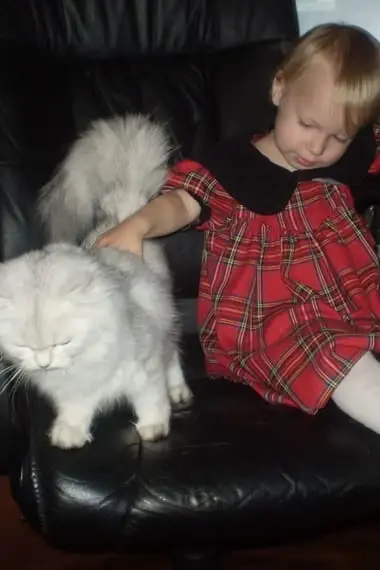
Allergic reactions to food, wool, feathers, saliva and skin scales of animals are very common. If your child is prone to allergies, make sure that the child does not become blotchy or runny during the first half hour of contact with the animal.
To get started, go visit those who have a guinea pig, a canary or an aquarium. Let the child communicate with the animal he dreams of in someone else's territory. Everything is fine? Try to take care of someone else's animal for a week while the owners are on vacation. Or invite friends with a dog of the chosen breed to stay with you for a couple of days.
There are myths among breeders about the hypoallergenicity of some breeds. Safe for allergy sufferers are called hairless cats and dogs, as well as non-shedding breeds of dogs: poodles, schnauzers, terriers. Do not listen to the breeder, a child's allergy to animals is very individual. If a child reacts to cat saliva, a "naked" cat will cause a reaction. The same person may have a reaction to a shepherd dog, but not to a poodle. So try before you become the owner of the animal.
Whom to choose?
As a general rule, the animals with the least amount of hassle are the least interactive. They live in their cage, terrarium or aquarium and do not need your company. For the most part, the child will simply look at fish, water turtles, snakes, frogs, snails, lizards, insects, spiders. Not all of them can be picked up and squeezed, it is hardly possible to play with them. Therefore, there is a high risk that the child will quickly get bored with such a pet.
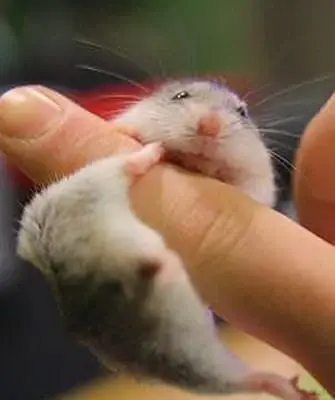
Small rodents are more interesting – they are easily tamed, they can be picked up. Keep in mind that rodents are extremely prolific, and by buying a “girl and a boy”, in a month or two you will become the owner of a dozen babies in addition. Uncleaned rodent cages smell strongly. There are known cases of people being infected with rare diseases from exotic rodents that were caught in nature, and not bred for generations in a pet store.
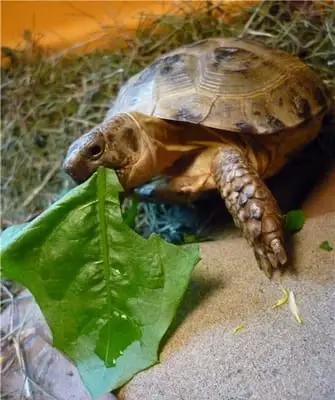
Land turtles are very cute and seem like suitable pets for children. In fact, they often become living toys and live for years in completely unsuitable conditions, crawling around the apartment and hibernating under the sofa. Providing them with a full life in a city apartment is not easy: most of these turtles would prefer to live in a large terrarium with a sandy bottom, where it is much hotter than in a nursery.
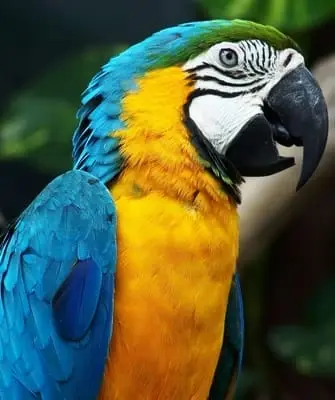
A bird can become a good friend for a child. A parrot, moreover, can be taught to speak. Remember, the birds rise before dawn and greet the new day with a loud chirp. Many species yearn alone, they definitely need a couple. There are birds with a delicate psyche, which, from sharp sounds, can begin to beat and damage themselves, such birds are definitely not worth buying for children.
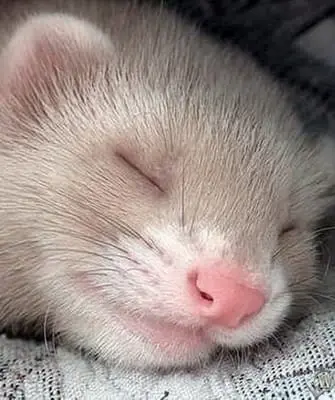
Ferrets have become very popular pets. They are easy to train and fun to watch. Please note that ferrets can have a specific smell, and castration of the animal does not always solve this problem.
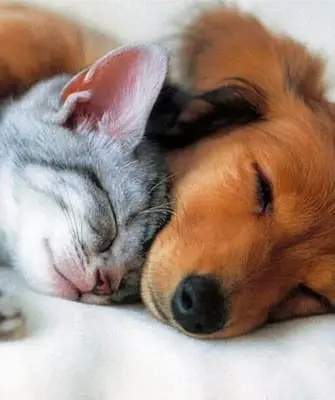
Cats and dogs can be the best companions for children. As a rule, they patiently endure children's caresses, willingly enter the game with a child, they can be taught various tricks. However, it is with them that most of the trouble in everyday life and on vacation. The wrong choice of breed can turn the whole family away from wanting to ever have a pet in the house again.
There are many sports that a child can play with a dog, including those from preschool age: show handling, frisbee, agility, obedience, pitch and go, etc.
How to raise a pet
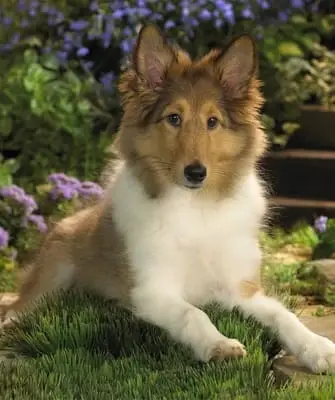
Animals by themselves will not teach a child anything. In order for the baby to grow up responsible, remember his duties and take care of the animal, parents must make a lot of efforts. You will have to take care of the pet together with the child, remind you of the need to change the water and take it for a walk, reinforce the child's interest in the animal. Otherwise, the aquarium will soon become overgrown with algae, the hamster will escape from the cage, and the bird will “accidentally” fly out the window. Another difficult aspect is how to raise a pet from a small ball of wool into a beautiful and healthy animal.
If a child has been begging for a puppy for years, perhaps he will work diligently with the dog. Otherwise, mom and dad will have to spend time mastering dog literacy, at least at the level of the “dog in the city” or “obedient dog” program.
It is believed that children who grow up with animals are more sensitive to their loved ones. Perhaps these are someone else's children, who themselves became sensitive after they were presented with a bird or a cat. With most children, it is just the opposite, teaching a child by the example of how to treat an animal is additional work for parents. A hamster or a rat will use its teeth if they are squeezed hard, and will quickly "teach tenderness" to their little master. A cat or dog will humbly endure completely unacceptable things, making allowance for the tender age of the tormentor. If parents look with tenderness at how a child swaddles a cat in order to ride it in a stroller, the child will not learn any trepidation.
How much does it cost?
For responsible owners, an animal costs much more than a kitten, puppy or chick costs. Food from the human table is not suitable for any animals, so you have to invest in special food. An aquarium, equipment for it, plants, a cage, a wheel for rodents, a hammock for ferrets, toys, beds, sometimes even clothes, the list of necessary things is very wide.
Cats and dogs need regular veterinary visits, vaccinations and vitamins. If you choose a breed known for health problems (such as the Shar Pei), get ready to pay your veterinary bills right away. Many dog breeds known to be non-shedders require regular bathing and professional grooming or trimming. Long-haired cats are also sheared.
What about vacation?
The smaller and more unpretentious the living creatures, the easier it is to attach it for the duration of the vacation. Some types of aquarium fish will survive a couple of weeks without human help. Friends or relatives usually agree to look after birds or rodents.
With cats, it’s a little more difficult, not every cat is mentally ready to go to someone else’s house and use the potty there without a miss. Sometimes it makes more sense to find someone who will come to your house, feed the cat and change the filler in the cat litter box. The larger and stronger the dog, the less willing your relatives and friends are to take him on vacation. Keep this in mind when choosing a puppy. Ask the breeder if he takes his "graduates" for overexposure if necessary. Also make inquiries about dog hotels, if no one agrees to adopt your dog out of love for you, professionals will help you for money.
To take or not to take?
From the foregoing, we can conclude that there are so many troubles from pets that it’s not worth getting involved. This is not true. Start an animal, weighing all the pros and cons. Keep in mind that the child is likely to play enough quickly and shift the care of the pet to you. In fact, having a pet will allow you to spend more time with your children, in caring for someone who needs it, in love and joy.