
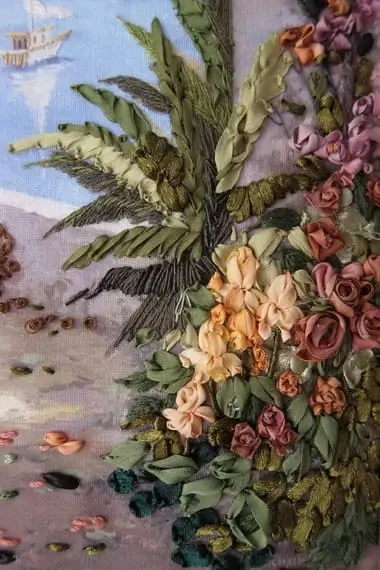
Volumetric embroidery with beads, ribbons, satin stitch, cross and woolen threads: technique with photo and video
Created using various techniques and materials, magnificent works are akin to real works of art. Admiring such work, it may involuntarily seem that only a real and very sophisticated master can create it. But in fact, it turns out that even beginners can do a variety of volumetric embroidery techniques. Everything is much simpler than it seems at first glance.
Like any kind of exquisite applied art, this needlework has its own rich pedigree. It appeared in England in the 17th century, and since then not only has not lost its reputation as original and original, but has also gained new popularity. With its help, "piece" interior items and accessories are created, this stylish technique is increasingly used today by world first-rate designers for the exclusive decoration of handmade branded clothing.
Volumetric embroidery technique: first stitches
In order to master the basics of technology, it is enough to confidently hold an embroidery needle in your hands. A variety of materials can be used for work – from beads to ribbons and various types of threads, but the technique is based on only four absolutely simple types of seam: "forward" and "backward" needle, "stitch" and "overlock".
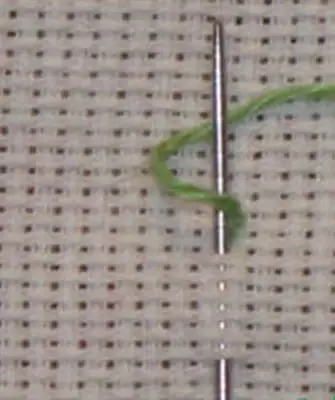
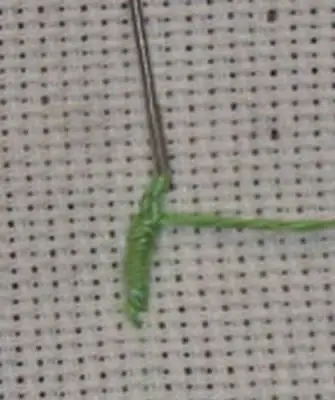
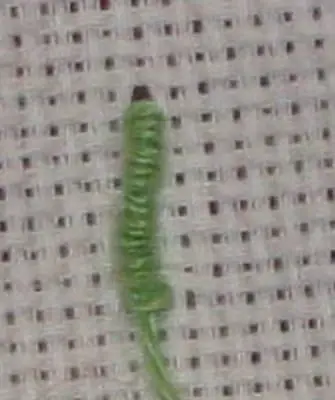
It is these techniques, repeated in various combinations, that form special stitches with the intriguing names "Antwerp", "French" or "Rococo". The technique itself is really simple, the maximum that you have to master additionally is the methods of winding threads or ribbons when creating a stitch and weaving knots, as well as special ways of “laying out" beads – integral components of effective work.
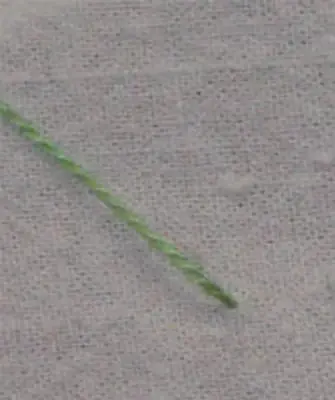
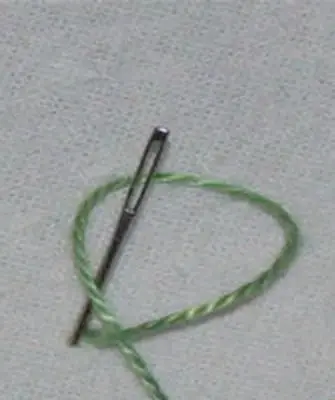
It's worth starting with light diagrams and drawings with clear, fairly large and well-read contours and sensible detailed instructions. Technique does not set any strict rules; it is not without reason that it is called “free”. If you can’t get the seam indicated in the description, feel free to change it to the one that you are fluent in, the result will only benefit from this.
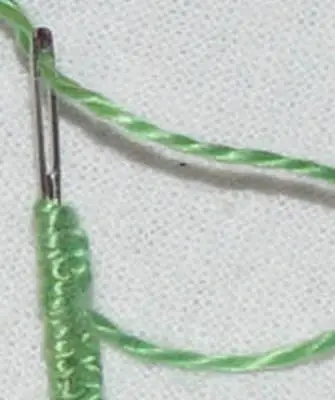
Of course, you will need a canvas or a woven base, which should be tightly fixed in the hoop, this will add convenience to work. In addition, you can visually see the entire process. Since the creation of work requires jewelry precision, it is worthwhile to provide good lighting for the place where you will embroider.
But everything, the main thing is the selection of materials. Muline, wool, beads, ribbons… any of them will achieve a great effect. There are no strict rules here either, the use and combination of different source materials will only enrich the work.
The main techniques of volumetric embroidery on the video are here:
Volumetric embroidery with threads – everything is very simple
Threads are a basic level that you should master to perfection before you start working with more complex materials. First you need to figure out what kind of threads are needed for work. Both the process itself and the final result depend on this.
You can use any thread, your choice can only be limited by your personal taste and the idea of future work.
Silk and cotton floss, iris, yarns, both natural and synthetic, as well as threads with various additional effects, for example, metallized – the range of raw materials is almost unlimited. There are several manufacturers of threads to choose from, both European and Russian, with an excellent reputation earned over many years of work.
Embossed stalk seam:
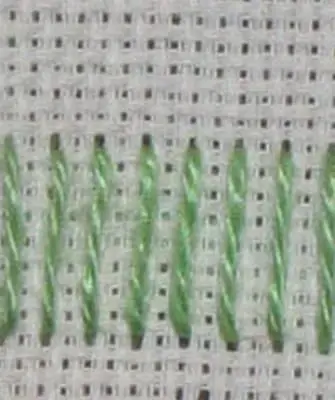
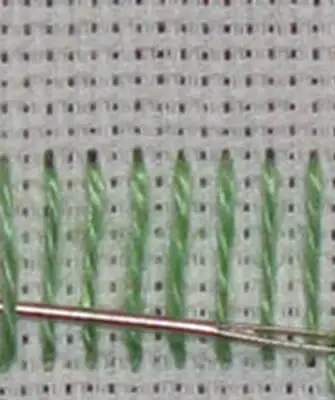
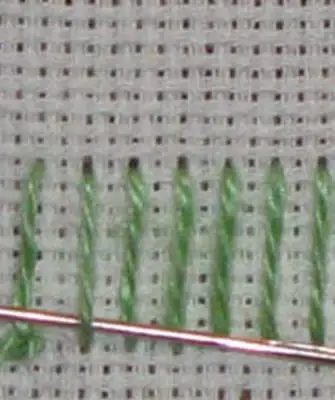
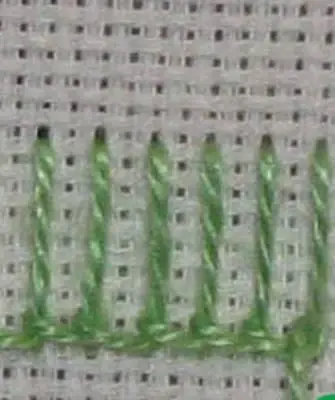
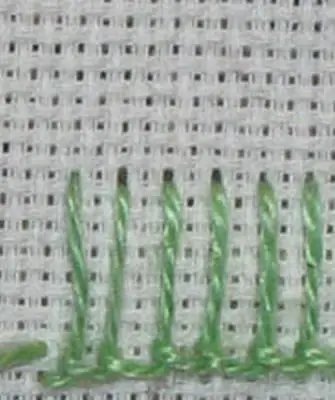
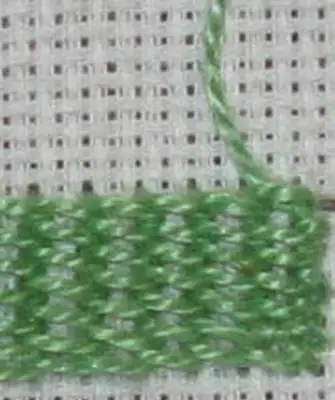
Woolen threads are considered canonical and best for mastering the basics of three-dimensional embroidery, especially those twisted in two or three additions. The so-called "roving", which is often used for knitting, is not entirely suitable for this technique. Due to the softness and plasticity of wool fibers, it is easier with them to both master basic stitches and improve your own skills. The main techniques that are used in the work – winding the thread and weaving knots in complex seams with wool fibers are obtained flawlessly. In addition, they give a "quick result", it becomes easier to evaluate the volume and color combinations in the process of work.
No less important is the basis for future work. The technique does not require special fabrics – you can embroider on the basis of any density and structure: from cloth to organza and even natural silk. But for the first experiments, it is better to choose fabrics that hold their shape well with a clear visible weave, for example, linen canvas.
Transferring the pattern to the fabric, or taking a ready-made scheme, choosing the color palette of threads for bulk embroidery and stocking up on a bit of patience to start – this is almost all that is needed to get creative.
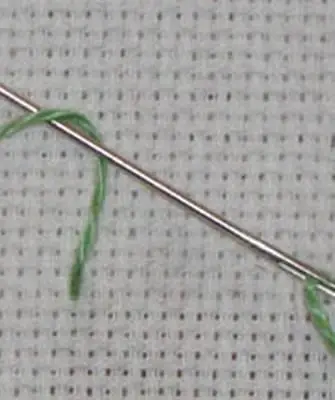
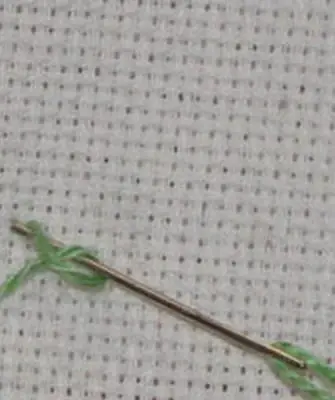
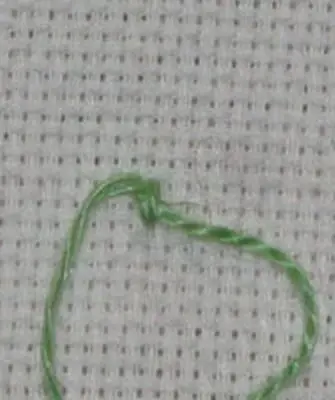
French knot in the photo:
Volumetric satin stitch embroidery: affordable exclusive
This technique allows you to create real art objects, it looks especially great when reproducing floral and plant motifs. With its help, three-dimensional compositions are created, which are considered the pinnacle of craftsmanship in needlework.
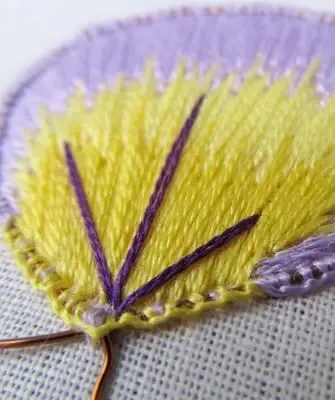
In order to become the author of a real masterpiece, it is enough to master the technique of satin stitch – one of the simplest, basic techniques in needlework. To work, in addition to the fabric canvas, hoop, thread, needle and scissors, you will need a very thin wire, which will serve as a kind of contour for a bulk product. The wire is bent into the shape of a flower petal, such as a pansy or a rose, and attached to the canvas with a few stitches. And then fill with satin stitches in the colors that are chosen for the design. The secret of authenticity lies in conveying all the color nuances as accurately as possible with the help of threads.
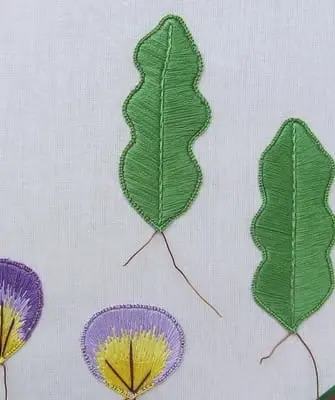
After the petal is embroidered, the wire contour is additionally covered with a dense looped seam and carefully cut out of the base. As a result, you will have an embroidered petal in your hands, which you can give any shape. Having embroidered the number of details necessary to create a flower, it is assembled by carefully fixing the “tails” of the wire contours from the inside of the base. This is how elegant flower arrangements are created, which are used not only for original interior solutions, but also for finishing accessories.
Floral arrangements in the technique of volume embroidery with stitch and their photos
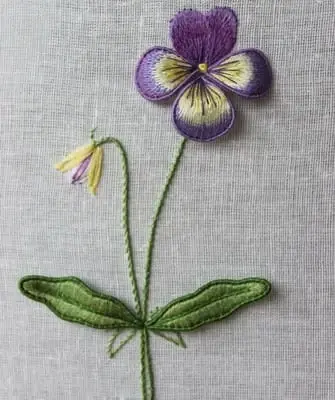
Volumetric satin stitch embroidery is a rare technique that few people own. And the point is not even in the complexity of execution, it is quite simple, but in its non-replication.
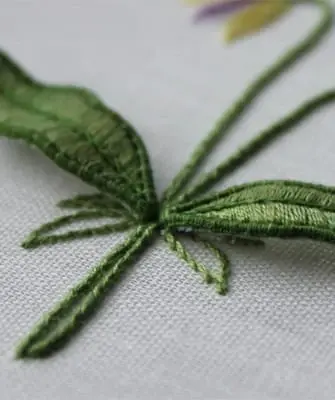
The more interesting it is to master exclusive skills and become the creator of unique works.
Volumetric cross-stitch – a fresh look at traditions
"Cross", as embroiderers lovingly call it, occupies a special place in volumetric technique. With its help, three-dimensional products are created, original and at the same time exquisite: from sachets, watches and boxes to rare toys. Using this technique, you can create an exclusive dollhouse and even a whole toy village.
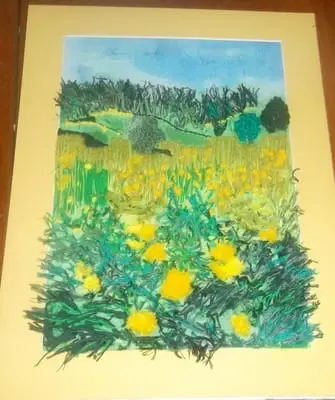
The “picture”, which will become the basis, is first embroidered on canvas or fabric. One has only to take into account the allowances along its edges, since the finished embroidery will need to be additionally tightly fixed on a plastic canvas, which will become a kind of frame for the finished work. Ready-made embroidered "panels" are assembled by hand with butt stitches, so you can create any, even the most bizarre three-dimensional objects.
A variety of materials are used in this needlework technique, but silk and viscose threads, as well as bulky wool yarn, look the most advantageous. The simplest stitches – cross, half-cross, twisted and French knots look very impressive in this design. You need to start work from the center of the composition, so you can avoid mistakes and distortions at the edges.
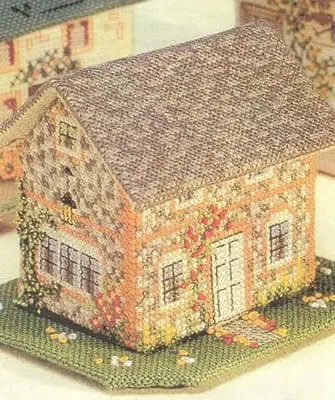
Volumetric cross-stitch is a traditional European technique for creating handmade gifts on the eve of Christmas holidays or family celebrations. Such things are of particular value and often become family mascots. One has only to try, and you will discover a new personal page in needlework.
Secrets of volume embroidery with beads
Here you should immediately forget about the rules adopted in the classical techniques of working with this material. Usually it is selected according to the size of the canvas sections – small and medium size at the rate of one bead per one “square” of the base. To create a voluminous work, you need to choose larger beads, and the size of the "cells" of the canvas – smaller.
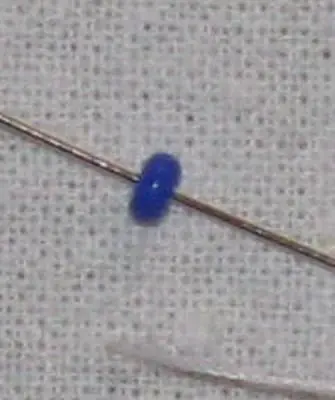
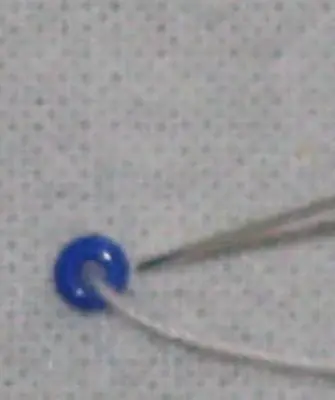
As usual, the beads are attached to the base with an inclination to one side with the usual half-cross stitch – this is a proven and most reliable way. But in bulk embroidery, the beads are laid out on the canvas not smoothly, but in relief, due to the high density of placement, creating an original texture. Thanks to the structure of the material, the play of its color combinations and the reflection of light, a real 3-D effect is created in the finished work.
Even if you are confident with beads and have experience working with them, when starting to work in the technique of volumetric beadwork, you should first turn to simple graphic, well-drawn ready-made patterns. As in any work with beads, you should carefully select the material and color scheme. The most impressive look is the work sustained in 5-6 colors, and beads, and any embroiderer knows about it, it is better to choose from the assortment of one manufacturer.
How to create three-dimensional embroidery with ribbons
This is perhaps the most effective and fastest way to create original embroidered textures. Various flower arrangements made in this technique look especially good. They can decorate a wall panel or a bedspread, but this technique looks no less interesting in the decoration of clothes and stylish accessories.
To work, you will need a sharp needle with an elongated eye, it will allow you to easily insert the tape into the canvas and at the same time eliminate the possibility of damaging it. For work, you can use any fabric that combines elasticity and strength in its qualities. The beauty of the work largely depends on the combination of colors of the base and ribbons – this nuance should be considered in advance.
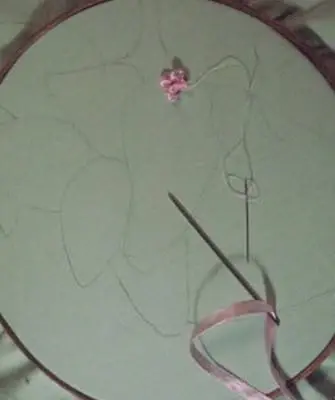
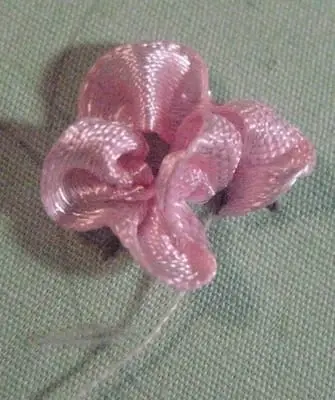
But here's what you should pay special attention to – the choice of material from which the tapes are made. Fine and delicate work can be created using silk ribbons – they are elastic, soft and at the same time easily and reliably take the desired shape. The use of any other materials, from satin and organza to velvet, gives no less interesting effects. With corrugated or sectional colored tapes, the most original works are easily created. Experienced craftswomen advise not to be limited to working with ribbons of one type, but to use several types at once when creating unique patterns.
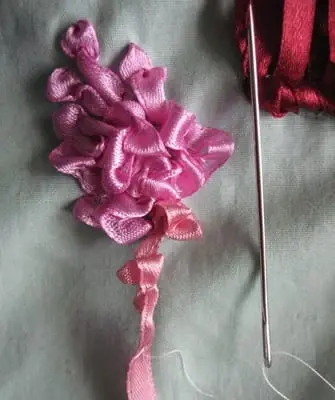
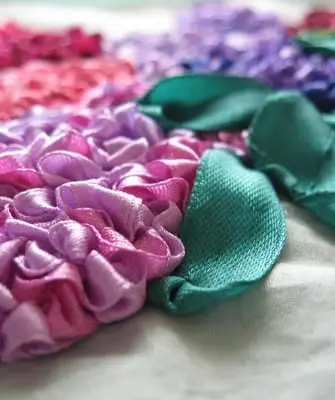
The technique of three-dimensional embroidery with ribbons is based on only two stitches, which are easy to master even for beginners. A straight stitch, which is used in any technique, to work with ribbons you just need to learn how to vary in length and tension. The second – a ribbon or "Japanese" stitch allows you to draw a ribbon not only through the base, but also through itself. It is with its help that flower petals and leaves are created.
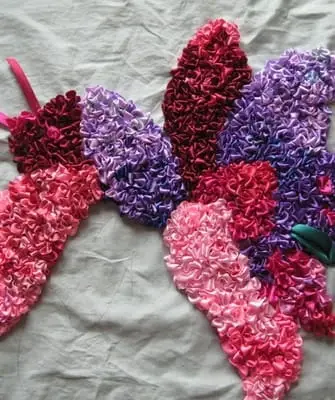
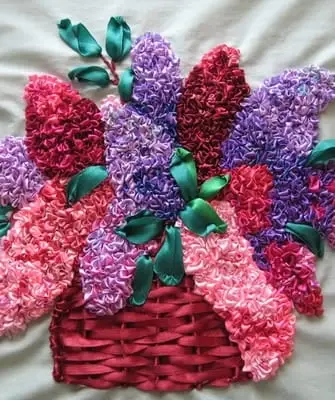
Volume embroidery today is experiencing a real boom in popularity. It is interesting because it does not require any serious needlework skills, but at the same time it provides scope for creative imagination and the opportunity to create genuine works of applied art.