
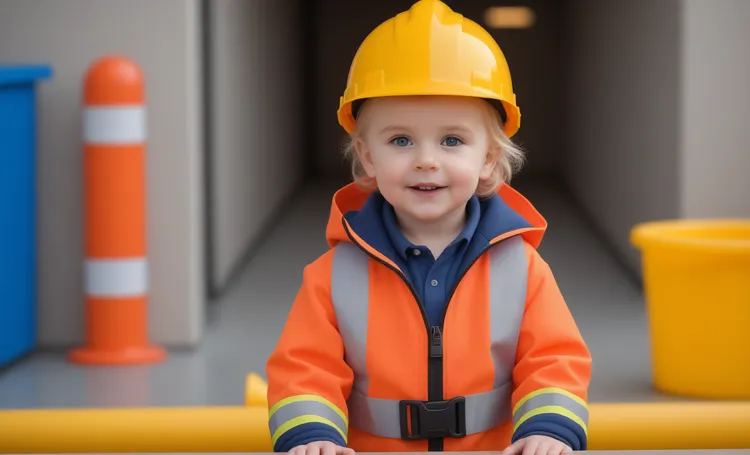
👶 Children and safety: how to keep kids safe in different situations
Ensuring the safety of a child is the first priority of every parent. There are many potential dangers in our world, and it is important to know how to keep children safe in different situations. To provide children with a safe space, certain rules of behavior should be followed. You can teach your child these rules using various child safety products here.
🛑 Basic safety rules for children
In the house
Home should be a child's first safe space. Install security locks on windows and doors, remove small objects that may pose a choking hazard, and keep your kitchen safe by using protection for outlets and corners of furniture.
🛌 Bedroom
- Make sure the crib meets safety standards.
- Toys and pillows should be without small parts.
🍽 Kitchen
- Keep cleaning products and sharp objects out of reach.
- Teach your child not to touch the stove and other potentially dangerous kitchen appliances.
On the street
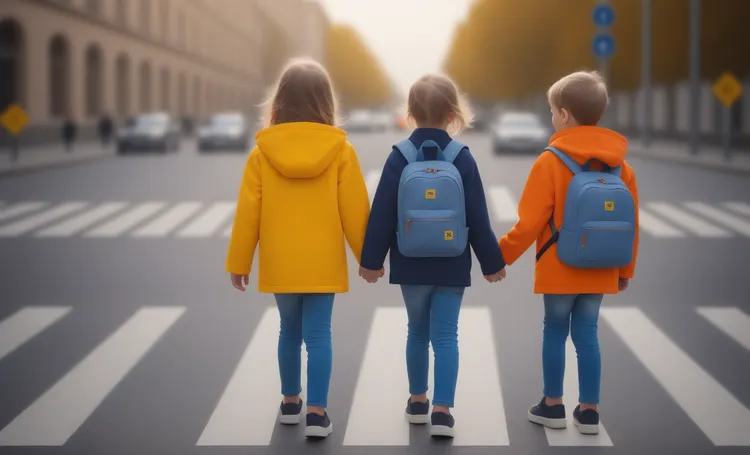
Teach your child the basics of road safety: cross the road only when the light is green, look left and right before crossing. It is also important to teach your child to avoid communicating with strangers without the presence of adults.
🚌 Public transport sport
- Explain how to use seat belts correctly.
- Teach your child not to go far from his parents and not to talk to strangers.
In the Internet
The Internet is another space where children need protection. Set parental controls on devices and teach your child not to share personal information online.
🖥 Electronic devices
- Set strong passwords and content filters a.
- Explain why it is important to avoid suspicious links and offers.
🧸Creating a safe space
- In the home: Create a safe area with toys and books where your child can spend time without being exposed to danger. Make sure first aid supplies are available and teach your child the basics of how to use them.
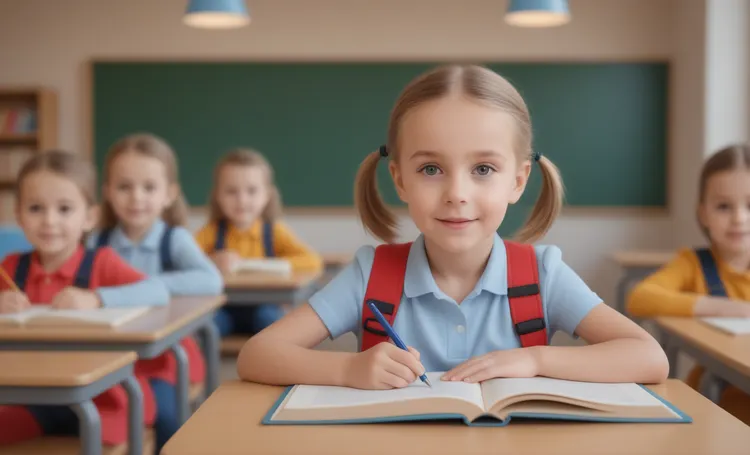
- At school: Make sure your child's school follows safety protocols and has a clear emergency plan. Talk to teachers about safety measures in the classroom and on school grounds.
- When Traveling: Traveling with children requires special preparation and attention to safety details. Make sure you have a suitable car seat, a first aid kit and enough information about your destination.

📚 Teaching your child safety rules
- At home: Tell your child about possible dangers in a playful way. Use books and educational games to demonstrate safe behavior.
- At school and on the street: Pretend play can help children remember important rules. Walk the route to school with them, discussing how to behave in different situations.
- On the Internet: Teach children to understand digital safety. Hold family meetings where you talk about online safety using examples and real-life situations.
👀 Surveillance and Control
- Use of technology: Modern technologies offer a variety of tools to monitor the safety of children. Use apps and devices that allow you to track your child's location and online activity.
- Talking with your child: Constant communication with your child helps you learn about his problems and concerns. It is important to establish a trusting relationship so that the child feels supported and can share his experiences.
- Teaching Responsibility: Teach your child to take responsibility for their own safety. Explain that the rules are not intended to limit, but to protect against possible dangers.
🏥 First aid: skills that can save lives
Teaching children basic first aid is an important step in keeping them safe. Conduct training at home, teach them how to use bandages and antiseptics, as well as the basics of resuscitation.
Table: first aid kit for a child
| Item | Purpose | How to use |
|---|---|---|
| Bandages | Wound protection | Wrap the wound without over-tightening |
| Antiseptic | Disinfection | Apply to the skin around the wound |
| Patch | Protection for minor abrasions | Apply to dry and clean skin |
| Thermometer | Temperature measurement | Use according to instructions |
🌐 Internet safety: a guide for parents
It is important not only to control, but also to explain to children the principles of safe behavior on the Internet. Create a list of rules and agreements that help children understand the boundaries and consequences of their online actions.
” Teaching safety is not a one-time lesson, it is a process that should continue throughout childhood.” – child safety expert.
🚸 Road safety: rules every child should know
- Pedestrian rules: Teach children that they can only cross the road in certain places and only when the traffic light is green. Explain that before crossing you need to stop, look left, right and left again.
- Rules of conduct in transport: Children should know how to behave in public transport: sit in seats intended for children, use seat belts and not talk to strangers.
🏠 Home safety: precautions and safety precautions
- Security Devices: Use outlet covers, impact protection corners, and cabinet locks to prevent access to dangerous items.
- Safe Equipment: Ensure that all appliances and furniture meet safety standards and are securely secured to avoid accidental injury.
🛠 Parenting tools: apps and devices
Modern technologies provide a wide range of tools to monitor the safety of children. Use apps to track your location, manage your screen time, and filter content.
Sample Applications
- Find My Kids: Real-time location tracking.
- Qustodio: Monitoring and managing Internet activity.
💡 Tips for teaching children safety
- Safety Talks: Have an open dialogue with your children about safety. Be prepared to answer their questions and discuss difficult topics in an accessible manner.
- Practice Exercises: Conduct regular safety practices, such as home evacuation drills or road crossing drills.
- Continuous learning: Security is a process that requires regular updating of knowledge and skills. Participate in safety courses and teach children together with professionals.
📈 Statistics and research: the importance of safety for child development
Research shows that children raised in a safe environment develop better both physically and emotionally. Awareness of basic safety rules reduces the risk of accidents among children by 90%.
- Impact of Educational Programs: Safety education programs, such as Safe Kids Worldwide, help improve children's knowledge of safety in a variety of situations.
🌟 Conclusion: safety is priority #1
Child safety is not just a set of rules, it is a comprehensive approach that includes education, technology and constant communication between parents and children. Regular training in safe behavior rules, the use of modern control tools and attention to the emotional state of the child help create a safe and supportive environment for their growth and development.
Remember that your child's safety starts with you. Education, observation and constant dialogue are key elements in developing a conscious attitude towards safety in children. By investing time and resources in the safety of your children, you are investing in their future.
Summary table: key safety points for children
| Age | House | Street | Internet |
|---|---|---|---|
| 0-3 years | Protective covers for sockets | Handle leash for babies | No access |
| 4-7 years | Safe toys | Road Safety Basics | Parental control |
| 8-12 years | First aid skills | Rules of conduct in transport | Digital Security Training |