

How to protect your child from dangers: a guide for parents 🛡️👶
Child protection is the number one task for every parent. Your little one can find adventure anywhere in the house or outside. This is why it is so important to know how to keep your child safe and prevent possible troubles. Modern child safety products offer a wide range of products to protect your child from many risks.
🏠 Home safety
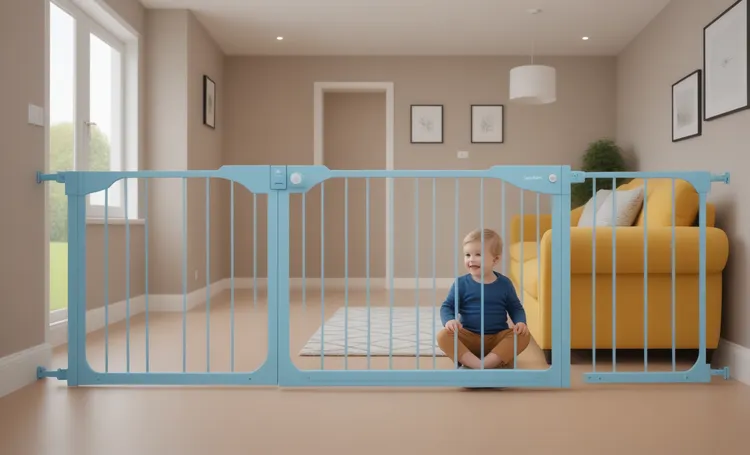
- Creating a safe environment: The home environment should be adapted to the baby. Furniture corners, sockets, chemical cabinets are all potential hazards. Use corner covers, outlet protectors and cabinet locks to minimize risk.
- From baby steps to school age: Home safety evolves with your child. Start with edge protection for babies who are just starting to crawl, and progress to more sophisticated safety systems as they get older.
Safety table by age
| Age | Security Items |
|---|---|
| 0-1 year | Plugs for sockets, furniture corners |
| 1-3 years | Cabinet locks, security gates |
| 3+ years | Motion sensors, night lights |
🤕 First aid: be prepared for the unexpected
- First aid basics: No one is immune from minor household injuries. Make sure you have a complete first aid kit and know basic first aid. Courses from Red Cross can be invaluable in this regard.
- Emergencies: Knowing how to respond correctly in the event of drowning, poisoning or burns can save a child's life. It is important to know how and when to perform artificial respiration, pump the stomach, or treat burns.
“Knowledge is power. Teaching basic first aid should be a priority as soon as your baby begins to actively explore the world.”
🛑 Preventing accidents on the street
- Hazard awareness: Teach your child to understand the dangers that may lie in wait on the street: open hatches, traffic , strangers. Talking about safety should become a regular practice.
- Protective equipment when riding a bicycle: Do not forget about helmets, elbow pads and other protective equipment. The use of reflective vests and reflective elements is also important when cycling at night.
- Learning to Swim: Knowing how to behave in the water is vital. Enrolling your child in swimming lessons is a great investment in their safety.
Continuing the topic of safety, it is important to emphasize the role of modern technology and education in protecting children from a variety of threats.
📱 Technology and child safety
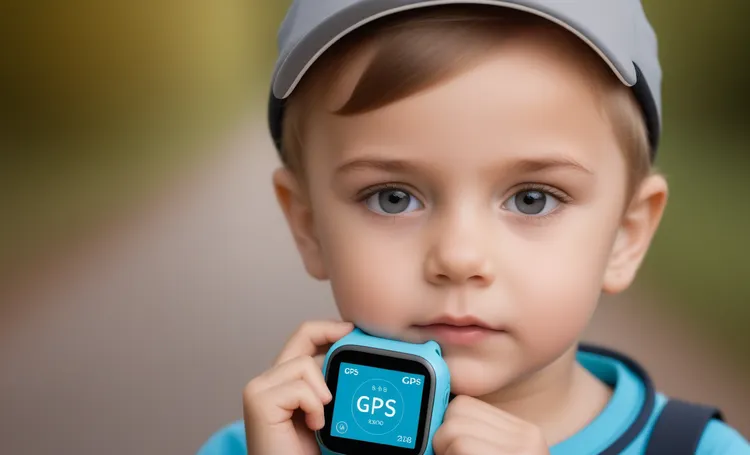
- Gadgets as a means of monitoring: In the digital age, parents have access to a variety of devices and applications to track the location of their children. GPS watches and mobile applications can become faithful assistants in ensuring the safety of your children.
- Online Security: Cybersecurity is equally important. Teaching your child the basics of safe behavior on the Internet should begin as early as possible. Setting up parental controls and monitoring social media activity will help protect your child from online threats.
Table of age restrictions for gadgets
| Age | Gadgets and features |
|---|---|
| 6-9 years | GPS watch with calling function |
| 10-12 years | Smartphones with limited internet access |
| 13+ years | Full Internet access with parental controls |
🎓 Education and training
- Safety courses: Conducting regular training and safety courses for children is one of the key measures. This could include first aid classes, fire safety classes, or even basic self-defense classes for older kids.
- The role of schools and kindergartens: Educational institutions play an equally important role in teaching children the basics of safety. Make sure your child's school or daycare provides appropriate classes and teaching.
- The importance of communication with your child: Do not forget to regularly communicate with your child about the topic of safety, using age-related differences in the perception of information. Understanding what to do in a dangerous situation can make all the difference to a child's safety.
Applying safety principles in a child’s daily life is not only an obligation, but also an opportunity for parents to teach their children independence and responsibility.
🧯 First aid: skills that can save lives
- Home First Aid Kit: Every home should be equipped with a first aid kit and every child should know the basics of using one. Teaching children basic first aid can be a fun and interactive process using games and modern educational programs.
- First aid lessons at school: Make sure the school provides children with first aid knowledge. Such lessons not only teach children to help, but also develop their empathy and willingness to act.
- Visualization and Practice: Regular training and practice is the key to remembering actions in critical situations. Visual aids, such as activity posters, can be placed in children's rooms.

🏠 Home Safety: Preventing Home Injuries
- Protecting against sharp edges and outlets: Home safety starts with simple things: corner guards on furniture, plugs for outlets and locks on cabinets. These little things can prevent many injuries and accidents.
- Kitchen safety: The kitchen is a high-risk place. Teaching children safe kitchen practices, such as using the refrigerator, microwave, and other appliances, is vital.
Table of safety measures by age
| Age | Security measures |
|---|---|
| 0-3 years | Plugs for sockets, locks on cabinets |
| 4-7 years | Safety toys, low-lying furniture |
| 8+ years | Training in the use of household appliances |
🤝 Community Engagement: The Role of Community Programs
- Programs for children and parents: Participation in public safety programs provides an opportunity to exchange experiences with other parents and professionals. It also helps children develop a sense of responsibility and the importance of following rules.
- Collaboration with Emergency Services: Collaboration with police, fire and EMS through educational programs builds children's confidence in emergency services and teaches them how to respond appropriately during emergencies.
“Teaching children safety rules is not a restriction of their freedom, but a concern for their future.”
Incorporating safety into games and daily activities helps children better understand important rules and also develops their ability to think critically and react in emergency situations.
📱 Technology and security: modern assistants
- Using monitoring apps: A smartphone can be a reliable tool for keeping your child safe. There are applications that allow you to track your child's location and receive notifications when leaving the safe zone.
- Educational games: Games designed to teach children safety are not only fun, but also useful. They help children remember rules and respond to potential threats.
- Smart gadgets: Wearable devices, such as smart watches with SOS functionality, allow children to quickly contact parents or emergency services if necessary.
📚 Continuous education: the key to a secure future
- Parent Seminars: Ongoing parent education on child safety issues helps maintain current knowledge and skills needed to prevent and respond to emergencies.
- Information materials: Distributing brochures, books and online resources to parents and children helps increase overall safety awareness.
- School programs: The introduction of special programs into school education ensures that children regularly and systematically learn safety rules.
🤲 Conclusion: safety as a way of life
Child safety is a holistic approach that includes education, practice, technology and community support. Parents should teach children safety principles from a very young age to instill responsibility and independence in them.
Final thoughts can be formulated in the words of a famous teacher: “The safety of children is not only fear for their lives and health, but also the confidence that we have done everything possible to teach them to take care of themselves and those around them.”