
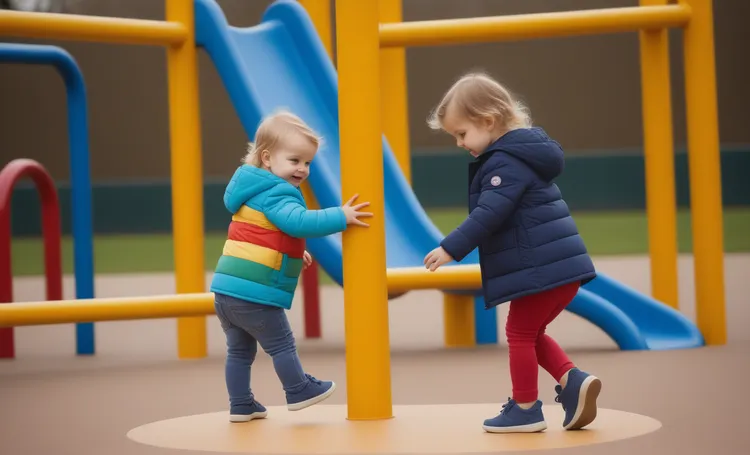
👶 Children and socialization: first steps into the big world 🌍
The importance of a child's adaptation to society cannot be overestimated. From the first days of visiting kindergarten, one of the most significant processes in the life of every child begins – socialization. Learning communication skills, interaction and getting used to a new social environment is what makes this stage so important. Finding products to help children adapt to a group environment here can be the first step in supporting your child along this path.
📚 First days in kindergarten: what do you need to know?
The transition from home to daycare is often stressful for both the child and the parents. During this period, it is extremely important to provide support and understanding so that the baby feels safe and comfortable.
- Adaptation in kindergarten: Preparation for kindergarten begins long before the first visit. Parents should discuss upcoming changes with their child, have a positive attitude towards the new stage and maintain interest in new knowledge and friends.
- The role of educators: Educators play a key role in the child’s adaptation process. Their task is to create an atmosphere of trust and support, help the child learn to communicate with classmates and adapt to a new daily routine.
- Psychological support: Don't forget about psychological support. A visit to a psychologist can help a child cope with possible difficulties and learn to express his feelings and emotions.
The transition to school is the next important step in a child’s life. Here he learns not only academic skills, but also continues to develop social skills such as teamwork, respect for rules and communication skills.
- First Friends and Teachers: First friends at school and relationships with teachers have a significant impact on a child's social development. Relationships with classmates help develop communication skills, and teachers become role models.
- Educational process and social skills: The educational process at school involves not only the acquisition of knowledge, but also the development of social skills. Working in groups, participating in school activities, and following rules all contribute to a child's adaptation.
- Extracurricular Activities: Extracurricular activities and clubs provide additional opportunities for socialization. Through sports, art or science, a child learns to interact in different social situations and find common ground with different people.
📈 Development of emotional intelligence in a team
Teaching emotional intelligence is an integral part of the socialization of children. The ability to understand and manage your feelings, as well as empathy for the feelings of others, are key skills for successful adaptation in any social group.
- The importance of empathy: The ability to sympathize and understand the emotions of others helps children get along better with classmates and classmates, as well as resolve conflicts without aggression and negativity.
- Self-regulation: Learning to control your emotions and behavior in different situations is an important skill for a child to master. This helps him feel more confident in social interactions.
- Game techniques: Using game techniques to teach emotional intelligence is an effective approach when working with children. Play and role-playing exercises allow children to practice social skills in a safe and supportive environment.
Parents play a vital role in the socialization process of their children. It is from them that children learn the basics of communication, respect for others and ways to express their feelings.
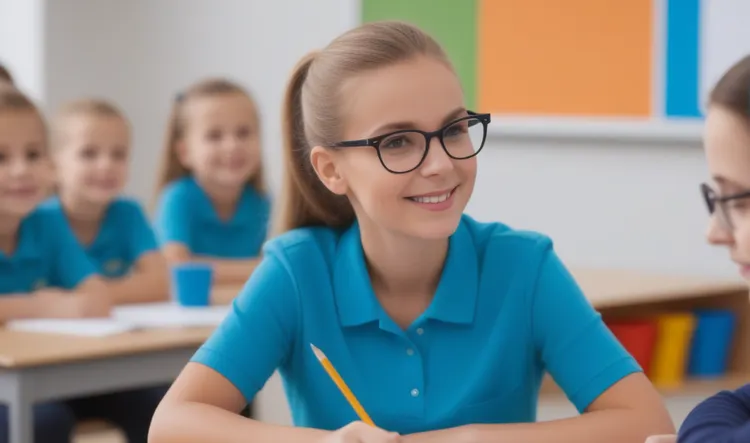
- Support and communication: Regular communication with your child about his impressions, problems and successes helps to build trust and openness. Parental support is important so that the child can share his experiences and seek advice.
- Setting Boundaries: Setting healthy boundaries and rules of behavior helps your child understand how to interact with others. Parents should be an example of compliance with these rules.
- Joint activities: Spending time together between parents and children helps strengthen family ties and develop the child’s communication skills. Games, walks and joint hobbies are a great way to do this.
🗓 Planning routine activities
Creating a structured schedule for your child helps him adapt to life in a group and develops a sense of responsibility. Routine tasks and activities create predictability and safety, which is especially important for kids.
- Stability and organization: A regular daily schedule teaches children structure and helps them learn to plan. This includes designated time for study, play, relaxation and personal hygiene.
- Incorporate your child's interests into your schedule: Incorporating your child's personal interests and hobbies into his daily schedule helps keep him motivated and willing to follow a routine. It also allows the child to develop their hobbies and talents.
- Prepare for Change: A flexible schedule with room for change helps children adapt to unexpected circumstances, which is an important part of socialization and adjustment.
🌐 The role of educational institutions
Kindergartens and schools are key institutions for the socialization of children. They provide not only educational resources, but also a social environment to interact with peers and adults.
- Educational environment: Educational institutions provide a structured environment where children learn rules of social interaction, respect for others and independence.
- Teachers and educators: Professionals who work with children play an important role in their socialization. They teach, guide and support children as they adapt and learn.
- Social Skills: School and pre -school programs often include exercises and activities aimed at developing communication skills, empathy and teamwork.
🤝 Interaction with parents
Close cooperation between educational institutions and families contributes to more effective adaptation of the child in the social environment. Parents should be involved in the educational process and maintain contact with teachers.
- Parent-teacher conferences: Regular meetings with teachers allow parents to keep abreast of their children's progress and challenges, and to discuss support methods at home.
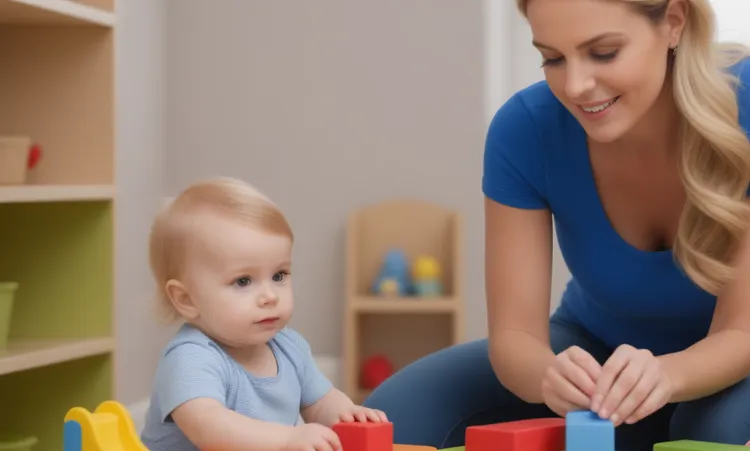
- Feedback from teachers: Teachers and educators can provide valuable recommendations and advice on the further development and socialization of children.
- Collaborative Activities: Participation in school and preschool activities helps parents better understand their children's social environment and helps build community around the school.
🖼Use of visual aids and games
Games and visual materials can be a powerful tool to facilitate the process of socialization and adaptation of a child to a new environment.
- Pretend Play: Simulating different social situations through play helps children practice social interaction and decision making in a safe environment.
- Visuals: Using books, posters and educational videos can help explain social concepts and behavior to children.
- Socialization Games: Specially designed games designed to develop communication skills and empathy while teaching children in a fun and gentle way.
Creative activities not only reveal a child’s talents, but also help him learn to express his feelings and thoughts, which is important for socialization.
- Art Studios: Classes in art schools or studios allow children to interact with classmates while working on joint projects and exhibitions.
- Musical groups: Participation in musical groups and orchestras promotes teamwork and mutual understanding, which is useful for adaptation in society.
- Drama Clubs: Dramatic arts teach children to become part of a group and develop self-confidence and the ability to understand others.
📈 Progress tracking
To assess the effectiveness of a child’s adaptation, it is important to observe and record achievements and problems.
- Regular Assessments: Regular assessments of social skills help teachers and parents understand which areas need more work.
- Success diaries: Keeping individual diaries of a child’s success can motivate him for further development and learning.
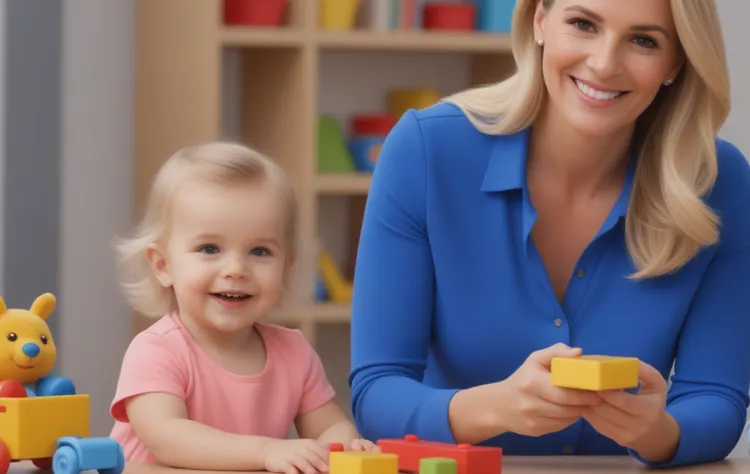
- Talk with your child: Talking with your child about his social interactions helps him reflect on his actions and learn from his mistakes.