
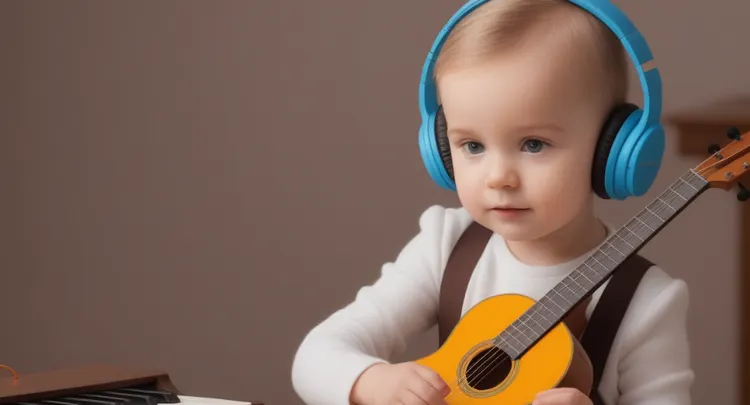
🎨🎵 The magical world of art for children: first steps
Involving children in the world of art can be one of the most inspiring and educational parts of their upbringing. Art supplies for kids here offer a wide selection of materials that will help kids take their first steps in art and music, unleashing their creativity and imagination.
🖌️ Painting as a window to the world of imagination
Painting is not only about brush strokes and the play of colors, but also about developing fine motor skills, attention and patience. Through drawing, children learn to express their feelings and thoughts, which contributes to their emotional development.
- First Paints and Brushes: Choosing the right paints and brushes can be crucial for young artists. You should start with water-based or finger paints, which are easy to wash off and safe for children.
- Learning through play: Games and fun that include drawing can not only entertain, but also educate. Creating story drawings or drawing together with parents strengthens bonds and develops creativity.
- Art and Personality Development: Drawing promotes independence and self-confidence by helping children understand that they can create beauty with their own hands, an important step in developing their personality.
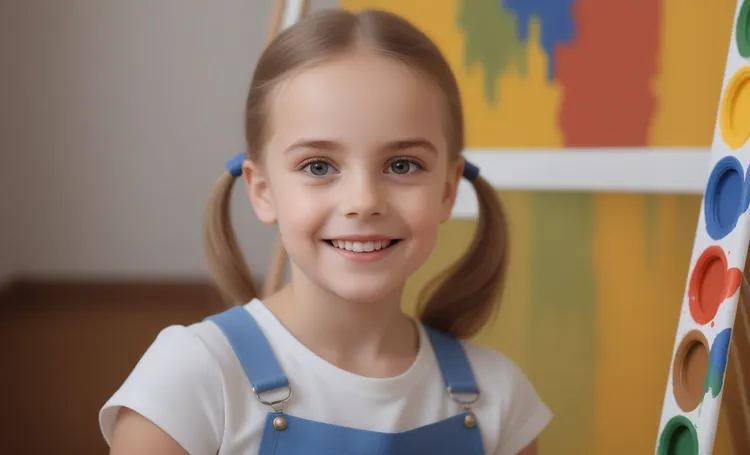
🎶 Music as a way of understanding the world
Musical education is of great importance for the comprehensive development of a child. It helps improve memory, attention and even mathematical abilities.
- First notes and rhythms: Simple musical instruments such as tambourines, metallophones or even children's synthesizers can be a great start for little ones. Making music develops your sense of rhythm and ear.
- Musical Stories: Fairy tales and stories with a musical backdrop can not only be a fun activity, but also a way to introduce children to a variety of musical styles and instruments, expanding their horizons.
- Music and social skills: Playing music together teaches children to work as a team and listen to each other, which is important for the development of social skills.
- Exploring Art History: Immersing yourself in art history opens up a whole new world for children. Together with their parents, they can learn about great artists and composers, about cultural eras and their characteristics. This exposure helps children better understand different art forms and find their favorite mediums.
- Paintings and Composers: Discussing paintings by famous masters such as Leonardo da Vinci or Claude Monet, and listening to classical works from Wolfgang Amadeus Mozart to Ludwig van Beethoven develops taste and understanding of harmony.
- Museums and Concerts: Attending museums and concerts, even virtual ones, can broaden your horizons and provide an opportunity to see works of art in reality that are incomparable to images on a screen or sounds from speakers.
- Creative Projects: Creating their own projects inspired by the works they learn allows children to put their learning into practice and develop their own unique ideas and styles.
- Parental participation in creativity: The role of parents in developing interest in art in children cannot be overestimated. Shared activities, support and praise, and a supportive environment for creativity are key to developing future art lovers and creators.
- Creative Projects Together: Painting a family portrait or creating a home music party are great ways to spend time together that strengthen family bonds while cultivating creativity.
- Learning through imitation: Children often take their cues from their parents, so when they see adults interested in art, they become curious themselves. Stories about your own experiences, about how art influenced the lives of your parents, can inspire and motivate the younger generation.
- Supporting the interests of the child: It is important not only to offer children various areas of art, but also to listen to their desires, support initiatives and interests, even if they differ from their parents.
The influence of art on child development
The arts have a significant impact on children's intellectual, social and emotional development. Through creativity, children learn to express their feelings, develop thinking and imagination, and acquire problem -solving skills.
- Development of motor skills and coordination: Visual arts and music require precise hand movements and coordination, which helps improve motor skills in children, especially at younger ages.
- Emotional outlet and self-expression: Art gives children the opportunity to express what they cannot or do not know how to express in words. This helps them cope with emotions and develops empathy.
- Learning through play: Art can be a fun way to play, through which children learn new concepts and ideas, making the learning process gentle and enjoyable.
Results and conclusions
Integrating art into a child’s life is not only a path to the development of creative abilities, but also an important element in the comprehensive development of the individual. Through art, children learn to think critically, develop imagination and emotional depth, which will undoubtedly be useful to them in the future.
Art opens the door to a world of beauty and harmony, teaches children to appreciate not only the external side of the world, but also the internal, spiritual. Raising children in the spirit of love for art is an investment in their future, which, without a doubt, will pay off handsomely.