
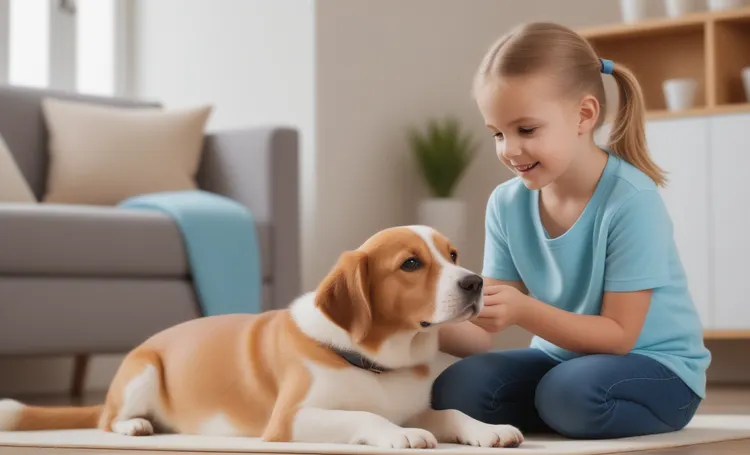
🐾👶 Children and pets: lessons of responsibility and care
Every child dreams of a furry friend at some point, and it's no surprise that many parents take this important step knowing the enriching impact pets have on their children's lives. Pet products here offer a wide selection of everything you need to care for your four-legged pets.
🧡 Why do children need animals?
Communication with pets brings children not only joy, but also important lessons. Animals teach empathy, responsibility, and teach children how to care for another living being.
- Emotional Development: Through caring for a pet, children learn to recognize and respect the feelings of others, which is important for developing emotional intelligence.
- Responsibility: Caring for your pet every day reminds you of your responsibilities and helps build a sense of duty and integrity.
- Socialization: Animals often become children's friends, helping them feel less lonely and happier.
📘 Rules of friendship with a pet
It is important to discuss the rules for caring for an animal with your child in advance to avoid possible misunderstandings and ensure that the pet is cared for at the proper level.
- Care and hygiene: Explain to children that the animal needs to be fed regularly, care for its fur, and also keep its area clean.
- Doctor and Health: Talk about the importance of regular visits to the veterinarian and following their recommendations regarding your pet's health and nutrition.
- Play and Attention: Teach children proper ways to play with animals to avoid possible injury and unpleasant situations.
📊 The influence of animals on child development
Raising pets has a positive impact on child development. This is confirmed by numerous studies and observations of specialists in the field of psychology and pedagogy.
- Psychological comfort: Animals can reduce stress levels in children, provide them with a sense of security and strengthen self-esteem.
- Study Skills: Caring for an animal requires a child to be able to manage their time and be organized, which is beneficial for the learning process.
- Social skills: Playing and interacting with animals helps develop communication skills and the ability to build friendships.
📝 Practical steps in teaching children to care for animals
Hands-on interaction with your pet is the best way to teach children how to care. Here are a few steps to help with the process.
- Create a daily routine for your pet: Create a feeding, walking, and playing schedule with your child. This will teach him planning and responsibility for a living being.
- Participating in caring for the pet: Letting your child help you care for your pet will strengthen their skills and teach them that caring requires effort and time.
- Learning through play: Use games to teach children how to treat animals safely and kindly. This will help the child understand their pet better.
📚 Studying materials about animals
Introduce your child to books and educational videos about animals to develop his interest and understanding of how to care for a pet.
- Educational books: Books about animals are not only fascinating, but also educational, they will help the child better understand his new friend.
- Educational Videos: There are many educational videos that teach your child about animal care and behavior in a fun way.
- Visits to Zoos and Farms: Field trips to farms or zoos can be great hands-on lessons about animals and their needs.
🏡 Creating a safe space for the animal and child
Safety is a key element in the relationship between children and animals. It is important to create conditions in which both would be comfortable and safe.
- Restricting Access: Set boundaries for your pet in the home, especially if you have small children, to avoid accidental injury.
- Pet toys: Choose safe and interesting toys for your pet that will help him develop and will not harm the baby.
- First aid supplies: Provide a first aid kit for the animal and child in case of need to quickly provide assistance.
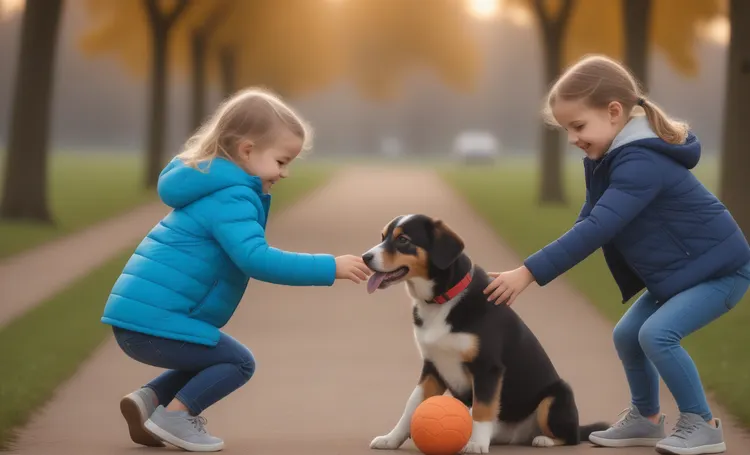
🤗 Involving children in caring for the pet’s health
Awareness of animal health is an important aspect of instilling responsibility in children. Let them be involved in all aspects of care.
- Regular visits to the veterinarian: Explain to your child why it is important to visit the veterinarian regularly and how it helps keep your pet healthy.
- Learn Basic First Aid: Teach children the basics of first aid for pets. This is an important skill that can come in handy in an emergency.
- Understanding the importance of vaccinations: Teach children how vaccinations help protect your pet's health from various diseases.
🎓 Child education through animal care
Caring for a pet can be not only a chore, but also an excellent educational tool.
- Responsibility and self-organization: Regular pet care helps children develop a sense of responsibility and the ability to organize their time.
- Emotional Development: Interacting with animals helps develop empathy and understanding of the feelings of other creatures.
- Problem Solving Skills: Unexpected situations in animal care teach children to find solutions to problems and make quick decisions.
🌳 Interaction with nature
Pets can become a connection to nature for children and teach them respect and love for the world around them.
- Biology Lessons: Caring for an animal allows your child to practice the basics of biology and understand natural processes.
- Environmental awareness: Discussing the animal's needs can be a good start to talking about the importance of caring for nature.
- Seasonal Activities: Plan seasonal activities with your pet, such as playing in the snow or swimming in the river, to help your child better understand changes in nature and their impact on animals.
📌 Conclusions
Involving children in the process of caring for pets enriches their life experience and promotes all-round development. Responsibility, empathy, practical skills – they acquire all this by caring for their younger brothers. In addition, such lessons unite the family, creating common interests and goals.