
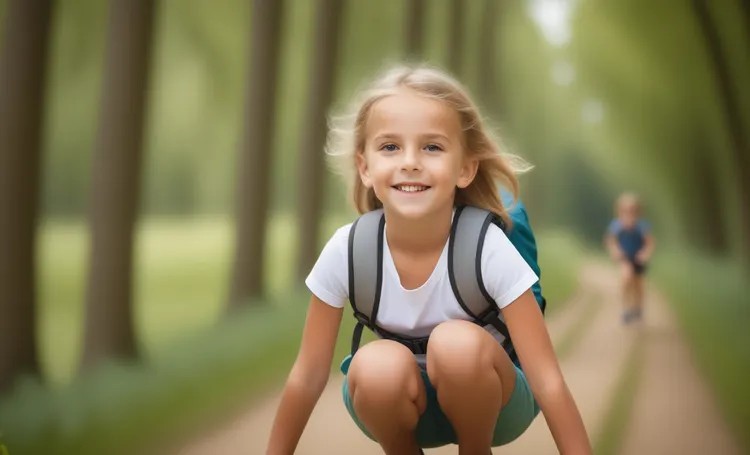
Children and nature: active weekend in the fresh air 🌳👶🍃
Involving children in active recreation in nature is the key to their harmonious development and health. For many families in Germany, America and Europe, weekends outdoors are not just fun, but also a way to strengthen family bonds and teach children a love of nature. Products for active recreation here represent not only equipment for games and sports, but also tools for educational activities in the lap of nature.
🌄 Preparing for an active weekend
- Selecting a Location: Decide where you are going. This could be a park, forest, mountains or river bank. The main thing is that it is safe for children and interesting for all family members.
- List of Essentials: Make a list of everything you need to take with you, from snacks and water to sun and insect protection. Don't forget about sports equipment and games.
- Planning activities: Think in advance about what you will do. This could be games, sporting events, nature watching or treasure hunting.
🚶♂️ Outdoor activities
- Games and entertainment: Organize games that are suitable for all ages, from hide and seek to Frisbee. This is a great way to develop motor skills and team spirit.
- Educational Activities: Use time in nature for learning: study plants and animals, conduct experiments with water and air, study maps and compass.
- Sports and physical activity: Walking, cycling, swimming or light trekking are great ways to get active and healthy.
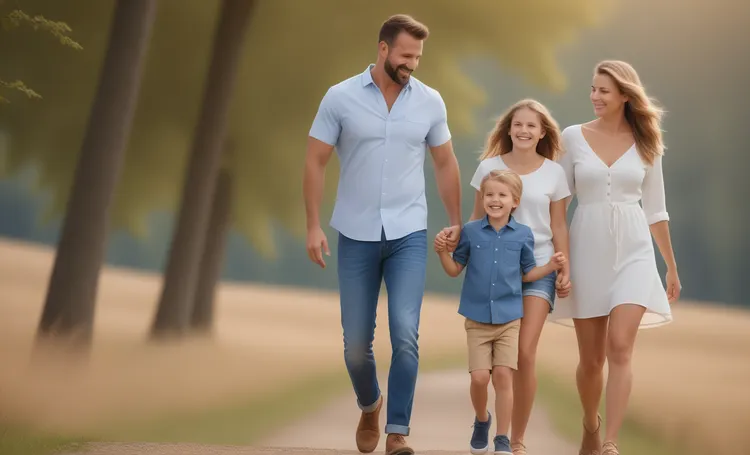
📈 Table: Ideas for outdoor activities
| Activity | Description | Approximate age |
|---|---|---|
| Picnic | Outdoor lunch with family games | All ages |
| Bird watching | Study of different types of birds and their behavior | 5 years and older |
| Sport games | Football, frisbee, badminton and other outdoor games | 3 years and older |
| Hiking | Hiking routes of varying difficulty, suitable for family holidays | 7 years and older |
| Bicycle rides | Rent a bike and explore the area | 5 years and older |
🌳 Interaction with nature
- Respect for nature: Teach children to love and take care of nature. Explain why it is important not to leave litter and how to properly interact with animals and plants.
- Teaching Points: Take advantage of every learning opportunity: have children help cook a picnic, collect leaves for a herbarium, or build sand castles.
- Environmental games and activities: Create games that not only entertain, but also teach ecology and biology, such as quests to recognize plants or sort garbage.
“In nature, children learn to be observant, patient and learn a lot about the world around them. This is an invaluable experience that will stay with them for life.”
🔄 Family interaction
- Collaborative planning: Involve children in planning the weekend. Let everyone choose an activity that they want to include in the overall plan.
- Teaching Responsibility: Assign each child an age-appropriate task, whether it's helping clean up after a picnic or being responsible for a map while on a hike.
- Time to Connect: Weekends in nature are private time to talk with children and learn more about their interests and thoughts.
- Creating Family Traditions: Regular weekends in nature can become a family tradition. This creates a special atmosphere of unity and anticipation of adventure.
- Family Bonding: Shared memories and experiences in nature help strengthen family bonds and develop emotional intimacy.
- Development of communication skills: Nature promotes relaxed communication, which has a positive effect on the development of speech and communication skills in children.
📚 Educational aspect
- Nature exploration: Children enjoy learning new things when they are presented in a playful way. Nature is an endless source of knowledge about flora and fauna.
- Developing critical thinking: Ask children questions that encourage them to think and analyze information, such as why trees need leaves or how animals navigate.
- Influence on future career choice: Activities like this can inspire children to choose a career related to biology, ecology or geoscience.
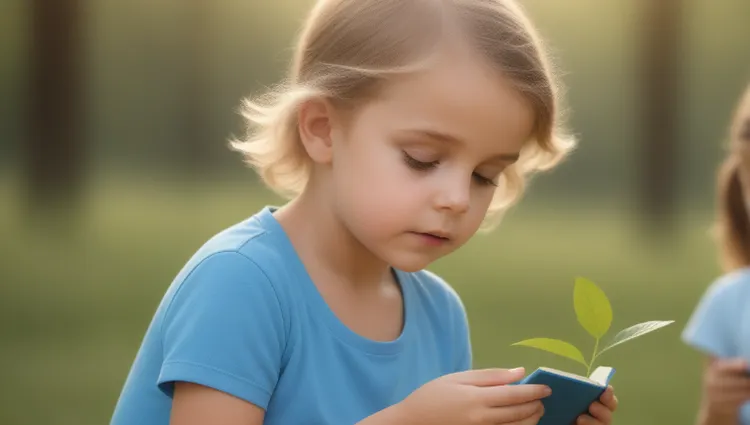
🛠 Tools and resources
- Special Equipment: Some activities may require special equipment, such as binoculars for bird watching or a magnifying glass for studying insects.
- Educational apps: There are mobile apps that can help children learn more about nature in a playful way.
- Books and aids: Choose books and educational aids to take with you to enrich children's experiences and knowledge.
💡 Useful tips
- Flexibility of plans: Be prepared for changes in plans. Nature is unpredictable and children may want to do things they had not planned.
- Safety First: Keep children safe by keeping them in sight and teaching basicoutdoor safety.
- Maintain interest: Keep children interested, enjoy new discoveries with them, and don’t be afraid to ask questions or search for answers together.
🌳 Involving children in nature conservation
- Understanding the importance of nature: Children who spend time in nature are more likely to understand the importance of protecting it. Explain to them why it is important to protect the environment.
- Participate in environmental projects: Involve children in environmental activities, such as planting trees or picking up trash, which will strengthen their connection with nature.
- Collecting trash while walking: Make picking up trash while walking part of the game, so children learn to take care of nature in a fun and natural way.
🗺️ Planning active weekends
- Choosing a Place: Study maps and guidebooks to find interesting places to visit as a family. Choose locations that are safe and child-friendly.
- List of necessary things: Make a list of everything you need for a comfortable time in nature. Don't forget water, snacks, sunscreen and first aid supplies.
- Action Plan: Develop an action plan based on the children's ages and interests. Remember that children need time to play and relax.

🎒 Checklist for parents
To make it easier to organize an active weekend with your children, make a checklist of necessary things. This will help you not forget anything and make the trip as comfortable as possible.
Basic needs
- Water and healthy snacks
- Comfortable clothes and shoes
- Sunscreen and hats
Fun and learning
- Outdoor games and activities
- Educational books and apps
- Binoculars or magnifier for studying nature
Safety
- First aid kit
- Insect repellents
- GPS navigator or area map
conclusions
An active weekend in nature with children is not only an opportunity to have fun and useful time, but also a way to teach kids love and respect for the world around them. Plan, explore and enjoy every moment spent together!