
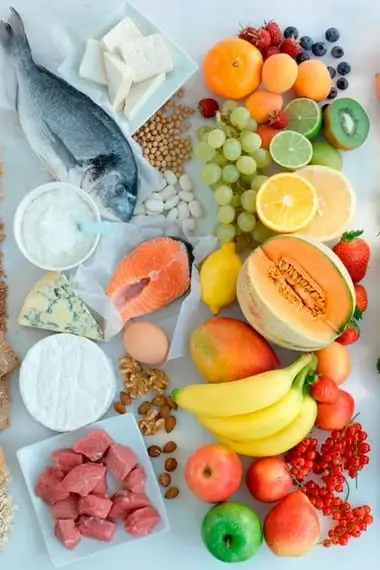
Basic principles of separate nutrition: what is it, product compatibility, advantages and disadvantages of separate nutrition
So, without understanding the principles and rules of separate nutrition, many simply separate the meat (fish) from the side dish on a plate, eat one thing first, and after waiting a couple of minutes, the rest. After that, they believe that the task is realized, the program is completed, they ate “separately". Meanwhile, this system is not so simple at all.
What is the essence of separate nutrition?
To begin with, it is worth understanding what it is – separate nutrition, and what underlies it. First of all, it is a dietary system, which is based on the principles of compatibility and incompatibility of certain products. What is the essence of separate nutrition as one of the types of diets? The bottom line is that you can eat everything, but you just need to ensure that you do not consume incongruous foods at the same time during one meal.
Conventionally, all nutritional components are divided into three groups: proteins, carbohydrates and fats. And if fats are compatible with almost any product, then carbohydrates and proteins do not combine well with each other and it is not recommended to use them at the same time at the same meal.
For the first time, the principles of separate nutrition were outlined by the developers of the system – naturopath G. Shelton and surgeon W. Hay. The approaches of both founders of the system differ in many respects, although in general they agree on one thing – different types of food require different digestion conditions to assimilate, and digestion takes a different amount of time. When several incompatible products enter the stomach at once, the digestion process is delayed, which means that the intestines are loaded longer and its emptying is difficult. In addition, if it is necessary to digest several products of different composition at once, their proper assimilation is difficult, and many undigested particles remain in the intestines, which can provoke fermentation and putrefactive processes.
The problem is that there is no food that contains only proteins or only carbohydrates. In varying amounts, all types of nutrients are found in every product. So, leafy vegetables (lettuce, spinach) cannot be called only carbohydrate products, they contain a whole complex of various substances, elements and minerals. Therefore, in the concept of separate nutrition, it would be more appropriate to divide all products not into 3 categories (carbohydrates, fats, proteins), but into 17 different groups, and only then take into account their compatibility with each other.
One of the basic principles of separate nutrition is the observance of a two-hour break between meals. It is necessary so that the food is completely absorbed, and by the time a new portion arrives, the stomach has not been loaded. Only after eating fruit is it permissible to take other food after 30 minutes.
Food groups in separate meals
 There are several different options for dividing products for separate nutrition into groups, but division into 17 categories is the most correct.
1 Fish and meat.
2 Heavy cream and butter.
3 eggs.
4 Cottage cheese, kefir and other fermented milk products.
5 Whole milk.
6 Sour cream.
7 Hard and pickled (brynza, feta) cheeses.
8 Vegetable oils.
9 Sugar and sweet products (syrups, jams, jams, honey, confectionery).
10 Starchy foods (potatoes, grains, cereals).
11 Legumes (beans, soybeans, peas, lentils).
12 Greens and green vegetables, non-starchy vegetables (carrots, beets, cabbage, etc.).
13 Sour vegetables, fruits and berries (tomatoes, lemons, oranges, currants, cranberries, etc.).
14 Sweet fruits and dried fruits.
15 Semi-sweet fruits.
16 Seeds and nuts.
17 Watermelons and melons.
Those products that belong to the same group are considered compatible with each other, they can be eaten together at the same meal. Products from different groups may combine well or moderately with each other, or they may not combine at all.
Separate food groups do not include smoked meats, sausages, ready-made sauces, fast food products (crackers, chips). They contain many harmful substances and food additives, so they should be excluded from the diet.
The combination of products in a separate diet: what you can eat with what
Now it's worth understanding in detail what you can eat with what in a separate diet, and which foods are not recommended to be combined.
Compatibility in separate nutrition of such products as meat and fish with herbs, leafy and non-starchy vegetables is considered ideal. Meat and fish do not go well with starchy vegetables, but under certain conditions they can be eaten together. Meat and fish are not combined with other food groups.
The combination in a separate diet of products such as heavy cream and butter is recommended with green, non-starchy and starchy vegetables, cereals, sour vegetables and fruits. Somewhat worse, they are combined with all other dairy products and semi-sweet fruits.
Eggs are well compatible with green and non-starchy vegetables, somewhat worse with sour cream and starchy vegetables. Eggs do not mix with other products.
Sour cream goes well with fermented milk products (except for cheeses and cream), legumes, all kinds of vegetables, cereals, semi-sweet fruits. Pairs slightly worse with eggs and cheeses. It is better not to combine sour cream with other products.
Compatibility in separate nutrition of a product such as milk with any food is being questioned. Therefore, adherents of the concept recommend that milk be consumed separately from all other products, since the digestion of milk is difficult and time consuming.
Cottage cheese, kefir, yogurt and other similar fermented milk products go well with any vegetables, fruits, dried fruits, seeds and nuts. The only exception is sour vegetables and fruits, which are worse for compatibility.
Hard and pickled cheeses are combined with all kinds of vegetables, somewhat worse – with nuts, seeds and semi-sweet fruits. Despite the fact that cheeses are considered moderately compatible with butter and heavy cream, some nutritionists still do not recommend eating these products together.
Sweets, sugar and confectionery are not compatible with any other foods, they must be eaten separately from any other food.
The combination of vegetable oil in a separate diet is recommended with cereals, all kinds of vegetables and legumes, sour fruits, seeds and nuts. With all other products, vegetable oils are somewhat worse, but still it is permissible to use them together.
Watermelons and melons are placed in a separate category of products, as they are considered to be incompatible with any other types of products.
How useful is a separate power system?
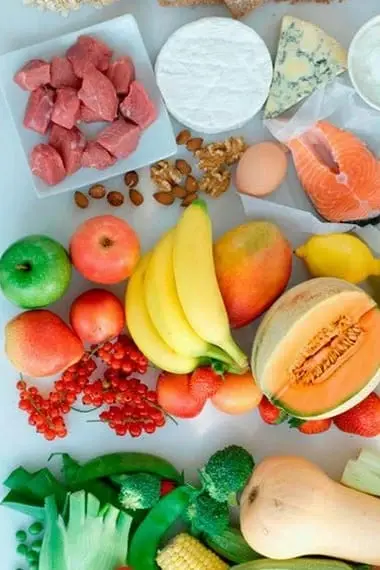 Like any diet, separate nutrition has pros and cons that you need to know about and which should be taken into account when switching to a new nutrition system.
How is separate nutrition useful for the body? The advantages of the system include the optimization of the digestive process: the food bolus quickly passes through the gastrointestinal tract, there are no undigested particles that cause fermentation and putrefactive processes. This is an indisputable advantage of separate nutrition, as the digestive system is getting better, which allows not only to get rid of constipation, but also to eliminate the problem of excess weight.
With separate meals in order to reduce excess weight, one should not only control the compatibility of products, but also the caloric content of food.
A healthy active person needs about 1700-2000 kcal per day, with physical inactivity and sedentary work, 1300-1600 kcal should be supplied.
Another plus of separate nutrition is the ability not to limit your diet to any specific foods, as with diets. You can eat almost everything, you just need to monitor the compatibility of products. In other words, your menu will be more varied than with any other diet, and a separate nutrition system can be practiced for a very long time – throughout your life, without compromising your health. It is noted that the majority of people practicing separate nutrition have improved the general condition of the body, the work of the digestive system has improved.
Disadvantages of a separate power system
A number of experts believe that the system of separate nutrition is completely artificial and contradicts the food traditions that have developed in society. Therefore, a person who decides to eat separately will face the problem of a complete revision of his diet.
The main disadvantage of separate nutrition is that it will take a long time to get used to it. In addition, the need to check the compatibility of products creates certain problems at festive events and joint feasts: usually dishes are prepared without taking into account the compatibility of products and there simply will not be anything on the table that could be eaten.
As a result of a long process of addiction and a radical change in the usual menu, a person gets less pleasure from eating, may initially overeat and gain excess weight.
Another disadvantage of separate nutrition is that over time the body learns to digest incompatible foods at the same time. And if a person still once eats a dish consisting of several incompatible products, he will have indigestion.
Many nutritionists and physiologists claim that the human digestive system simultaneously produces all the enzymes necessary for the digestion of any kind of nutrients, which means that dividing food by type of nutrients does not justify itself.
Ultimately, each person independently decides which diet he should prefer: it all depends on the state of the body, possible concomitant diseases, personal food addictions and the ability to follow the established diet.
 Surgeon W. Hay suggested that the combined consumption of proteins and carbohydrates significantly impairs digestion and prolongs the absorption of these nutrients. Therefore, carbohydrates and proteins should be consumed separately and not combined when cooking.
W. Hay believed that the diet should contain more foods that increase the acidity of the blood than foods that increase the acidity of the stomach. The ratio should be 4:1 in favor of the former.
The first group of products includes vegetables and fruits, milk and some dairy products. The second group includes meat and fish, as well as all other sources of animal protein, foods containing vegetable protein (nuts), citrus fruits and carbohydrate-rich foods (cereals, grains, sugar, etc.).
The basic principles of nutrition according to W. Hay:
- you can not combine carbohydrates with acidic foods and protein foods;
- the basis of the diet should be vegetables and fruits, other products are auxiliary and non-core in the diet;
- intervals between meals of different types of food should be at least 4-5 hours;
- refined products (semi-finished products, sausages, smoked meats) should be excluded from the menu;
- all types of nutrients should be consumed in limited quantities, without overeating and taking into account the calorie content of food.
Protein-rich foods include all types of meat and fish, eggs, nuts, legumes, animal by-products. Carbohydrate-rich foods – sugar and sweets, potatoes and other starchy vegetables, flour products, including white bread and pasta.
W. Hay considered fresh fruits and vegetables, herbs, dried fruits, and dairy products to be a neutral group of products that can be combined with both carbohydrates and proteins. Moreover, it is the products of the neutral group that should form the basis of the diet – there should be especially a lot of vegetables and fruits on the menu, as well as various dishes from them.
An example of a daily menu for separate meals according to W. Hay:
- fruit salad or fresh fruit, cottage cheese or hard cheese with rye bread for breakfast;
- a meat dish with a side dish of non-starchy and non-acidic vegetables with a dessert of fresh fruit or fruit salad without any dressings for lunch;
- a dish of potatoes or pasta with low-fat cheese for dinner.
Nutritionists believe that W. Hay's system allows you to quickly get rid of excess weight, but weight loss in this case is most likely due to limiting the amount of fat in the diet.
The principles of separate nutrition according to Herbert Shelton
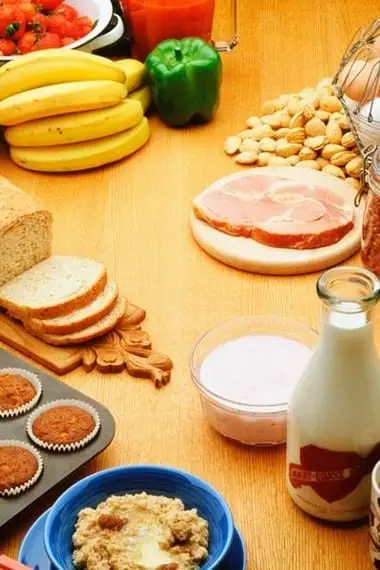 The principles of separate nutrition according to G. Shelton are somewhat different from those put forward by W. Hay. So, G. Shelton proposed other approaches to the separation of products in the preparation of the diet.
1 Do not eat carbohydrate-rich and acidic foods at the same time. Potatoes, flour products (including bread), dates, bananas, cereals and other carbohydrate foods should not be consumed with acidic vegetables and fruits (tomatoes, citrus fruits, sorrel).
2 with separate nutrition according to Shelton, acidic foods (fruits and vegetables) should not be consumed simultaneously with proteins. The simpler the combination of products in dishes, the better the food is absorbed and the process of digestion is faster.
3 You can not combine proteins and carbohydrates, for example, at the same time eat meat and fish dishes, eggs and nuts with potatoes, bread, cereals.
4 Several proteins of different composition and different types require special mechanisms for digestion and assimilation. Therefore, at one meal it is permissible to eat only one protein product.
5 You can not combine proteins and fats in one meal. Foods containing fats inhibit the secretion of gastric juice and enzymes necessary for the digestion of protein foods. Therefore, meat or fish should be eaten separately from butter, sour cream and cream.
6 Starchy foods should not be combined with sweets and sugar. For example, bread with jam or porridge with butter and sugar are prohibited with separate meals according to G. Shelton.
7 Starchy foods can be eaten one at a time. Thus, potatoes or porridge should be eaten without bread, and bread without porridge or potato dishes.
8 Milk should be drunk separately from all other products. Assimilation of milk occurs already outside the stomach (in the duodenum), therefore, the presence of milk in the stomach does not trigger the secretion of gastric enzymes. This can interfere with the absorption of other food that enters the stomach at the same time as milk.
9 Melons and watermelons should be eaten separately from any other food. True, the interval between eating these fruits and other foods can be about 30 minutes.
As the practice of using the system of separate nutrition according to Herbert Shelton has shown, the human body does not lack the nutrients, vitamins and minerals necessary for it to function normally. But at the same time, a person, violating his eating habits, may at the first stage experience a constant feeling of hunger and not get pleasure from eating. Here you will have to decide on your own what is more important – the state of health or the usual delicious dishes.
Despite all the advantages of a separate diet, it should not be considered as an unconditional guide to a healthy lifestyle. This is most likely a food theory that suits some people and is contraindicated for others.