

Diet for cardiovascular diseases: therapeutic nutrition for heart disease with an exemplary menu
Compliance with a diet for cardiovascular diseases is one of the keys to relieving acute symptoms and a speedy recovery. Proper nutrition in the treatment of hypertension, coronary artery disease, atherosclerosis and other heart diseases must be followed not only during acute attacks, or, conversely, remission, but throughout the convalescence (recovery period). One of the most effective diets for diseases of the heart and blood vessels is anti-atherogenic, based on the chemical composition, bio- and energy value of the dishes offered.
What diet is prescribed for diseases of the cardiovascular system
All people with heart disease and their relatives are concerned about the question of what diet is prescribed for diseases of the cardiovascular system and how long it should be followed. Most often, in this case, an anti-atherogenic diet is prescribed.
The main requirements for the chemical composition of anti-atherogenic diets for heart disease, their energy value and cooking technology are:
- full provision of the body's need for essential nutrients and essential nutritional factors;
- limiting the content of saturated fatty acids in the diet for heart diseases with a simultaneous increase in the proportion of unsaturated fatty acids up to 60-70% of the total fat, which reduces the cholesterol content in them to 180-200 mg per day;
- ensuring the optimal content in the diet for diseases of the cardiovascular system of protein (at least 11-13% of the total calorie intake), while 50% of the total amount of protein should come from plant proteins (mainly proteins from soybeans and their processed products) having a balanced amino acid composition and having a hypolipidemic effect;
- inclusion in medical nutrition for cardiovascular diseases predominantly complex carbohydrates. Simple carbohydrates are introduced in the form of natural compositions, as a result of which diets are practically devoid of refined carbohydrates;
- ensuring the optimal content of dietary fiber that promotes the metabolism of cholesterol into bile acids by stimulating the bile-forming function of the liver. Thus, a natural physiological pathway for the elimination of cholesterol from the body is realized;
- ensuring the body's need for potassium and magnesium with a low content of sodium salts (practically salt-free diet), as well as ensuring the optimal amount of Ca, P, Zn, Mn, I;
- full compensation of the needs of the body of patients with coronary artery disease in water-soluble and fat-soluble vitamins. This provides for an increased level of vitamins C, E and carotene, which have a pronounced antioxidant activity;
- anti-atherogenic therapeutic nutrition for diseases of the cardiovascular system should contain raw foods (vegetables in salads, fruits). In cases where it is necessary, products and dishes can be subjected to gentle culinary processing, which allows to more fully preserve the natural vitamin and mineral complex;
- a diet for a sick heart provides for frequent, five meals a day, with the last meal 2 hours before bedtime (kefir or soy yogurt).
Therapeutic nutrition for coronary heart disease and other heart diseases
Among diseases of the cardiovascular system, atherosclerosis, coronary heart disease (CHD), myocardial infarction, hypertension, hyperlipoproteinemia (HLP), etc. are considered the most common, prone to a long course, and frequent exacerbations.
The most common risk factors for the occurrence of this group of diseases are malnutrition with the consumption of abundant, high-energy foods and associated hyperlipemia, overweight, impaired carbohydrate tolerance, hyperuricemia, as well as hereditary predisposition to these diseases, etc.
Metabolic disorders are dominated by disorders of lipid metabolism, carbohydrate tolerance, lipid peroxidation processes, antioxidant system and other pathogenic mechanisms. To restore disturbed metabolism in these diseases, it is important to use therapeutic nutrition as a component of complex therapy and as an independent therapeutic factor in the process of rehabilitation of patients with cardiovascular diseases.

At the rehabilitation stage, anti-atherogenic nutrition in coronary disease and other heart diseases contributes, as clinical experience shows, to increasing the body's resistance to stressful situations, maintaining hemodynamic stability, and restoring the most damaged functional systems of the body.
The diet for patients with cardiovascular diseases is primarily aimed at restoring lipid metabolism, central and peripheral hemodynamics, water and electrolyte balance, reducing the activity of lipid peroxidation (LPO) and increasing antioxidant protection.
Anti-atherogenic diet for coronary heart disease (CHD) and atherosclerosis
Antiatherogenic nutrition in coronary heart disease and atherosclerosis in terms of chemical composition, biological and energy value corresponds to the main variant of the standard diet, is well balanced, pathogenetically adequate in atherosclerosis, coronary artery disease, myocardial infarction.
Hypocholesterol, hyposodium diet in coronary disease and atherosclerosis is physiologically complete in its chemical composition, set of products and dishes, energy and biological value and diet.
The protein part of the diet for coronary heart disease and atherosclerosis consists of easily digestible protein (milk, egg, soy, fish) with a well-balanced amino acid composition at a ratio of animal and vegetable protein 1:1.
The ratio in the diet for coronary heart disease and atherosclerosis of animal and vegetable fat is 3:1, while preference is given to vegetable oil (sunflower, corn) and marine fish fat – sources of PUFAs with high biological activity. Restriction in the diet of animal fat and the complete exclusion of refractory fat (beef, lamb, pork) can reduce the cholesterol content in the diet to 200-250 mg per day.
In the diet for IHD and atherosclerosis, sea products are widely used: seaweed, marine invertebrates (squid, shrimp, mussels, etc.) – as sources of macro- and microelements (iron, manganese, zinc, copper, iodine). In the diet, the content of table salt is limited to 3 g, which are given to the patient in the hands for salting ready-made meals prepared without adding salt. Observe the principle of frequent (6 times a day), fractional meals with limited food in the evening and at night.
Indications for diet: atherosclerosis of any localization (coronary, cerebral, peripheral vessels), coronary artery disease, hypertension, myocardial infarction, stroke, chronic cardiovascular insufficiency, HLP of various classes.
The purpose of the diet for atherosclerosis of the heart and other cardiovascular diseases: the impact on impaired lipid, carbohydrate, protein metabolism to reduce the pathogenic effect of risk factors on the occurrence and progression of diseases such as atherosclerosis, coronary artery disease, myocardial infarction, hyperlipoproteinemia, arterial hypertension, obesity, impaired glucose tolerance, hyperuricemia, etc.
Nutrition during a diet for atherosclerosis of the heart
When prescribing a diet for atherosclerosis, the following foods should be present in the diet.
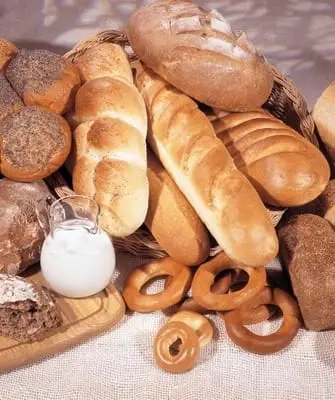
Bread and bakery products. Bread rye, wheat, mainly from wholemeal flour, crispbread, dry biscuits. Yesterday's bread.

First meal. Cereal, vegetable, vegetarian soups, borscht, beetroot, cabbage soup, okroshka, dairy, fruit soups, 1-2 times a week first courses cooked in a weak meat or fish broth.
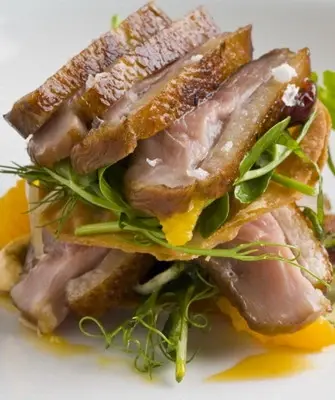
Meat and poultry dishes. From beef, lean pork, lamb, rabbit, chicken, turkey, after removal of visible fat, tendons. Cooked boiled or steamed or baked after boiling. Duck, goose are not recommended. The internal organs of animals (liver, kidneys, heart, lungs, brains) are excluded.

Dishes from fish and fish products. Various types of river and low-fat sea fish boiled or baked in white sauce after poaching or boiling. Soaked herring 1 time per week.

Egg dishes. Soft-boiled chicken eggs in the form of omelettes, for cooking other dishes. Duck and goose eggs are excluded. Egg white can be used frequently, given the recommended total amount of protein in the diet.
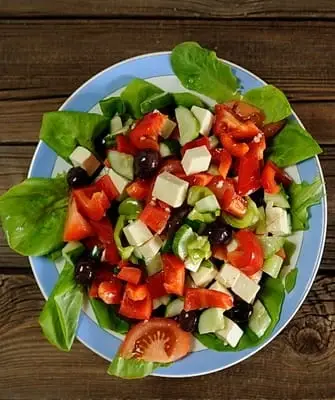
Dishes from vegetables and herbs. A variety of raw vegetables (cucumbers, tomatoes, cabbage, lettuce, carrots, parsley, dill, celery, onions, garlic, horseradish) and boiled (potatoes, pumpkin, zucchini, cauliflower and white cabbage); sauerkraut. The cabbage diet is also popular. Vegetables are used for preparing appetizers, side dishes, second courses, salads. The use of beans, peas, beans, sorrel, spinach is limited.
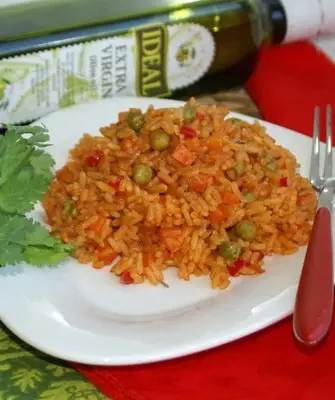
Dishes from cereals and pasta. Use any cereals (preferably – buckwheat, oatmeal) in the form of various cereals, puddings, casseroles, fruit pilaf.

Dishes from milk and dairy products. Milk, dairy products, cottage cheese in its natural form and in dishes. Cream and sour cream are used at the expense of the amount of butter. It is preferable to use low-fat dairy products in the diet, including non-spicy low-fat cheeses (“Russian", “Soviet”). Ice cream is excluded.

Fats. In its pure form – milk fat (25-30 g per day), the rest of the animal fat is found in products of animal origin. Vegetable (sunflower, refined corn and olive) oil – 30 g per day to add to meals, dietary soft varieties of margarine (spreads) – due to the total amount of fat. Refractory fats are excluded.

Sweets. Simple sugars (no more than 50 g per day). Cocoa, chocolate, creams, butter, confectionery products with a high fat content are excluded.

Beverages. Weak tea, coffee drink, kvass, fruit drinks, mineral water according to indications.
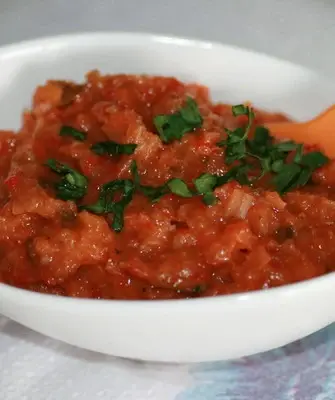
Sauces. On a vegetable broth, dairy, fruit sauces.
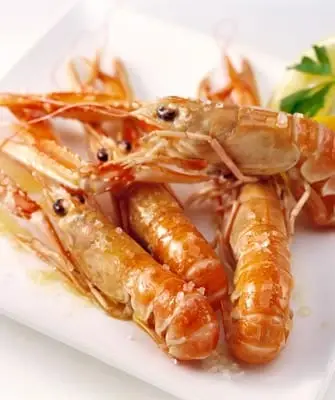
Sea products. Sea kale, marine invertebrates (shrimps, squids, sea cucumbers, etc.).
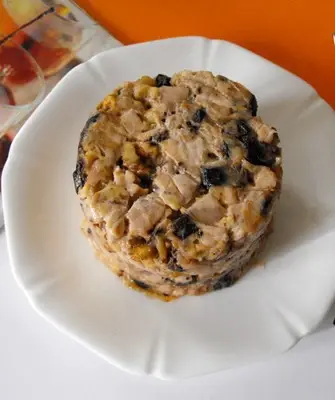
Nuts. Walnuts in kind and in dishes (50 g of kernels per day).
An approximate one-day menu and the chemical composition of the anti-atherogenic diet are shown in the table "One-day menu and the chemical composition of the anti-atherogenic diet."
The diet menu for cardiovascular diseases is presented in the following table:
| Name of products and dishes | Yield, g | Proteins, g | Fats, g | Carbohydrates, g |
| I Breakfast | ||||
| Soy schnitzel with cauliflower | 140/110 | 20.0 | 15.2 | 21.6 |
| Milk porridge “Hercules” | 230/5 | 28.3 | 9.9 | 34.8 |
| Tea with sugar | 200 | 0.2 | – | 15.0 |
| II Breakfast | ||||
| Beet salad with seaweed | 100/5 | 1.7 | 2.0 | 10.1 |
| oranges | 150 | 0.9 | 0.2 | 8.1 |
| Rosehip decoction | 200 | 0.2 | – | – |
| Dinner | ||||
| Soup with noodles in chicken broth without poultry | 500 | 4.4 | 4.1 | 27.6 |
| Boiled chickens | 75 | 14.0 | 14.1 | – |
| Vegetables poached in oil | 150/5 | 2.1 | 3.7 | 11.8 |
| Diluted apple juice | 100/100 | 0.5 | – | 9.1 |
| afternoon tea | ||||
| baked apple | 110 | 0.5 | 0.5 | 17.9 |
| Vitaminized drink | 200 | – | – | – |
| Dinner | ||||
| Cabbage schnitzel fried in vegetable oil | 170/5 | 5.6 | 11.1 | 17.3 |
| Loose buckwheat porridge | 125/5 | 7.1 | 5.6 | 37.1 |
| Tea with milk | 200 | 1.6 | 1.0 | 2.3 |
| For the night | ||||
| Kefir | 200 | 5.6 | 6.4 | 8.2 |
| All day | ||||
| white wheat bread | 100 | 7.7 | 3.0 | 48.9 |
| bran bread | 100 | 6.6 | 1.2 | 34.2 |
| Sugar | 25 | – | – | 24.2 |
| TOTAL | 89.2 | 84.3 | 328.5 |
The method of applying a diet for a sick heart
The method of applying a diet for a sick heart depends on the specific disease.
With atherosclerosis, coronary artery disease, hypertension, the state after myocardial infarction and stroke, hypercholesterolemia, hypertriglyceridemia, the main version of the anti-atherogenic diet is used.
In atherosclerosis, coronary artery disease in patients with overweight or obesity, dietary adjustment is more about reducing calories by reducing the quota of buffet products or replacing high-energy meals with meals with a lower energy value. At the same time, the general structure of the diet and the entire diet do not change significantly.
With a high degree of obesity 1-2 times a week, the main diet can be replaced by a fasting day with a low energy value – up to 800-1000 kcal. In general, the diet and the anti-atherogenic effect of the diet are preserved.
In IHD complicated by myocardial infarction, in the acute phase of the disease, a special diet is used in the form of three options corresponding to the stage of the disease. The general diet regimen for myocardial infarction and the requirements for cooking technology are the same as in the anti-atherogenic diet. In the first week in acute myocardial infarction, the diet should be with a maximum reduction in energy value (1200-1400 kcal), all food is given in liquid form in small portions.
An approximate one-day menu of the anti-atherogenic diet in the first week of the acute phase of myocardial infarction is given in the table "One-day menu of the anti-atherogenic diet in the first week of the acute phase of myocardial infarction."
Sample diet menu for heart disease in the first week of the acute phase of myocardial infarction (energy value – 1011 kcal):
| Name of products and dishes | Yield, g | Proteins, g | fats, | Carbohydrates, g |
| I Breakfast | ||||
| Porridge from cereals “Hercules” milk liquid mashed | 130 | 2.8 | 3.4 | 15.5 |
| II Breakfast | ||||
| Baked apple with sugar | 100 | 0.7 | 0.17 | 22.2 |
| Dinner | ||||
| Chicken broth low fat | 200 | – | – | – |
| Boiled meat soufflé | 115 | 20.1 | 11.2 | 4.9 |
| Kissel from fruit juice | 150 | 0.3 | – | 33.3 |
| afternoon tea | ||||
| Dried apricots soaked | fifty | 2.6 | – | 27.5 |
| Rosehip decoction | 200 | – | – | – |
| Dinner | ||||
| Steamed egg white omelet | 70/5 | 6.2 | 2.4 | 1.7 |
| fruit juice | 100 | 0.8 | – | 9.0 |
| For the night | ||||
| Kefir low fat | 180 | 5.6 | 6.4 | 8.2 |
| All day | ||||
| white wheat bread | 100 | 8.2 | 1.4 | 36.1 |
| Sugar | twenty | – | – | 19.2 |
| TOTAL | 47.8 | 15.6 | 177.6 |
In addition to the diet menu for myocardial infarction, vitamin-mineral complexes are prescribed – thus, they fully compensate for the body's need for vitamins. With the improvement of the general condition, relief of acute coronary symptoms, stabilization of the heart rate from the second week of the acute phase of the disease, the dietary ration is expanded.
Increase the protein content to 80 g, fat – up to 60 g and carbohydrates – up to 250 g; accordingly, the energy value of the diet increases to 1800 kcal, but the principle of frequent, fractional nutrition is preserved in compliance with chemical and mechanical sparing, that is, food is cooked in boiled form or steamed, in crushed form. The amount of free liquid is increased to 1.2 liters.
An exemplary one-day diet menu with an average degree of reduction in energy value for a patient with myocardial infarction in the second week of the acute period is shown in the table "One-day diet menu with an average degree of reduction in energy value for a patient in the second week of the acute period of myocardial infarction."
Table "One-day diet menu with an average degree of energy value reduction (2071 kcal) for a patient in the second week of an acute period of myocardial infarction":
| Name of products and dishes | Yield, g | Proteins, g | Fats, g | Carbohydrates, g |
| I Breakfast | ||||
| Buckwheat milky viscous porridge | 125 | 4.6 | 4.2 | 20.4 |
| Hot boiled milk | 100 | 2.8 | 3.2 | 4.7 |
| II Breakfast | ||||
| fruit juice | 100/100 | 0.2 | 0.3 | 4.7 |
| Soufflé curd steam | 140 | 21.1 | 13.8 | 26.3 |
| Dinner | ||||
| Vegetarian borscht | 250 | 1.6 | 2.9 | 7.5 |
| Beef stroganoff from boiled meat | 250/70 | 8.7 | 10.1 | 3.3 |
| Boiled potatoes | 75 | 1.7 | 2.1 | 13.0 |
| Compote from a mixture of dried fruits, mashed | 180 | 0.1 | – | 31.5 |
| afternoon tea | ||||
| Bananas | 150 | 1.3 | – | 18.9 |
| Rosehip decoction | 180 | – | – | – |
| Dinner | ||||
| Steam cottage cheese pudding | 150 | 21.0 | 18.0 | 22.4 |
| fruit juice | 180/100 | 0.3 | 0.1 | 7.1 |
| For the night | ||||
| Kefir low fat | 180 | 5.6 | 6.4 | 8.2 |
| All day | ||||
| white wheat bread | 200 | 16.4 | 2.8 | 72.2 |
| Sugar | twenty | – | – | 19.1 |
| Vegetable oil | fifteen | – | 14.4 | – |
| TOTAL | 189.1 | 75.5 | 259.6 |
In case of myocardial infarction in the convalescence phase, simultaneously with the expansion of the general and motor regimen and, accordingly, with an increase in energy consumption, the main version of the standard diet with a slight reduction in energy value (2200-2400 kcal) is used.
During the period of convalescence after myocardial infarction, the diet is not prescribed as strict as during the acute period of the disease.
Table "One-day diet menu for a patient with myocardial infarction in the period of convalescence (energy value – 2407 kcal)":
| Name of products and dishes | Yield, g | Proteins, g | Fats, g | Carbohydrates, g |
| I Breakfast | ||||
| Steamed egg white omelet | 70/5 | 6.2 | 6.1 | 1.7 |
| Buckwheat porridge with milk | 145/100 | 14.1 | 12.0 | 52.4 |
| Tea with jam | 200/20 | 0.3 | – | 19.2 |
| II Breakfast | ||||
| Baked apple with sugar | 145 | 0.7 | 0.7 | 22.2 |
| Vitaminized drink | 200 | – | – | – |
| Dinner | ||||
| Vegetarian borscht with finely chopped vegetables | 400 | 3.8 | 5.8 | 15.1 |
| Boiled meat | fifty | 16.2 | 7.9 | – |
| Carrots stewed in sour cream sauce | 185 | 2.9 | 5.8 | 15.5 |
| Orange juice | 200 | 0.2 | – | 12.8 |
| afternoon tea | ||||
| Carrot-apple soufflé baked with sugar | 190 | 6.8 | 9.0 | 26.2 |
| Rosehip decoction | 200 | 0.2 | – | 15.2 |
| Dinner | ||||
| Halibut boiled | 100/5 | 23.0 | 8.6 | – |
| Porridge from cereals “Hercules” | 230/5 | 8.3 | 9.9 | 14.5 |
| Tea with milk | 200 | 0.2 | – | 15.2 |
| For the night | ||||
| Kefir | 200 | 5.6 | 6.4 | 8.2 |
| All day | ||||
| white wheat bread | 200 | 16.1 | 1.4 | 71.2 |
| Sugar | thirty | – | – | 29.2 |
| TOTAL | 104.6 | 74.4 | 329.4 |
Therapeutic nutrition for hypertension
The cause of hypertension, in addition to hereditary factors, is a violation of the nervous regulation of vascular tone and a disorder in the functions of the juxtaglomerular apparatus of the kidneys, which produces renin, which stimulates the production of the hormone aldosterone by the adrenal cortex, which regulates water metabolism, the exchange of potassium and sodium ions and affects the content of these elements in smooth vascular muscles. An increase in the sodium content in the smooth muscles of blood vessels increases their tone, which leads to an increase in blood pressure (BP).
Activation of the renin -angiotensin system, associated with an increase in the concentration of aldosterone in the blood, a change in sodium metabolism and the state of blood circulation in the brain, leads to a breakdown in the mechanisms that maintain a normal level of blood pressure.
The use of a diet for hypertension as an important component of complex treatment is built taking into account the characteristics of the pathogenetic mechanisms of the disease.
Indications for prescribing therapeutic nutrition for hypertension: various stages of hypertension, as well as its combination with coronary artery disease, atherosclerosis and other diseases, the clinical picture of which is currently dominated by hypertensive syndrome.
Treatment of hypertension: diet for hypertension
The purpose of the diet for hypertension is as follows:
- full compensation of the physiological need of the body for basic nutrients (proteins, fats, carbohydrates), essential nutritional factors (essential amino acids, polyunsaturated fatty acids, vitamins, microelements, etc.);
- restriction in the diet of the use of table salt to the optimal minimum value (2-3 g) with the issuance of it to the hands of the patient for salting ready meals. With high hypertension – a complete short-term exclusion of salt, taking into account 2-3 g of its content in the products themselves;
- limiting the content of free fluid in the diet to 1-1.2 liters per day, extractives;
- achievement of correspondence of energy intake with food to energy expenditure.
An approximate one-day diet menu for hypertension is shown in the following table:
| Name of products and dishes | Yield, g | Proteins, g | Fats, g | Carbohydrates, g |
| I Breakfast | ||||
| Cod boiled without salt | 100/5 | 19.2 | 0.7 | – |
| Boiled potatoes with butter and dill | 250/10/10 | 5.4 | 8.3 | 42.5 |
| Porridge from cereals “Hercules” viscous milk | 230/5 | 8.3 | 9.9 | 34.8 |
| Tea with sugar | 200 | 0.2 | – | 15.0 |
| II Breakfast | ||||
| Freshly prepared cottage cheese | 100 | 18.0 | 0.6 | 1.8 |
| apple fresh | 100 | 0.3 | 0.3 | 8.6 |
| Dinner | ||||
| Meat broth with egg flakes | 500 | 2.5 | 3.9 | – |
| Boiled chickens | 100 | 17.6 | 17.8 | 0.5 |
| Compote from a mixture of dried fruits | 150/5 | 0.7 | – | 31.3 |
| afternoon tea | ||||
| Beets stewed in sour cream sauce | 180 | 3.2 | 5.8 | 18.6 |
| Rosehip decoction | 200 | 0.6 | – | 4.3 |
| Dinner | ||||
| Rice pilaf with fruits | 245 | 5.1 | 7.9 | 66.6 |
| Carrot-apple soufflé baked | 195/20 | 7.9 | 13.1 | 31.9 |
| Tea with lemon | 200/7/15 | 0.2 | – | 15.2 |
| For the night | ||||
| Kefir 3.2% fat | 200 | 5.6 | 6.4 | 8.2 |
| All day | ||||
| white wheat bread | 100 | 7.7 | 3.0 | 48.9 |
| bran bread | 100 | 6.6 | 1.2 | 34.2 |
| Sugar | 25 | – | – | 24.2 |
| TOTAL | 110.1 | 68.9 | 288.3 |
Diet for patients with cardiovascular diseases with hypertension and obesity
If a patient with hypertension has overweight or concomitant obesity, a hyposodium variant of the diet is used for therapeutic purposes. The goal of the diet for hypertension and obesity is to reduce the energy value by reducing the amount of buffet products, eliminating the energy-intensive meal in the second breakfast or afternoon snack, or replacing the meal with a similar one, but with a lower energy value.
During a diet for hypertension and overweight with a high degree of obesity, it is possible to prescribe in the form of a zigzag fasting (contrasting) sodium-free day with an energy value of 800-1000 kcal 1-2 times a week.
If atherosclerosis, coronary artery disease, hypertension are accompanied by chronic cardiovascular insufficiency with circulatory disorders, then along with pharmacotherapy, the appointment of a hyponatric, hypocaloric diet with stricter control over the content of potassium and sodium in the blood is indicated to avoid the development of high hyponatremia.
The energy value of the diet in chronic cardiovascular insufficiency is determined by the amount of energy consumption: when the patient is kept in bed, energy consumption is significantly reduced.
An approximate one-day nutrition menu for hypertension in overweight patients is shown in the following table:
| Name of products and dishes | Yield, g | Proteins, g | Fats, g | Carbohydrates, g |
| I Breakfast | ||||
| Low-fat cottage cheese pudding | 150 | 21.7 | 5.6 | 22.3 |
| Vegetable salad with vegetable oil | 130/10 | 2.7 | 10.1 | 10.2 |
| Tea with milk without sugar | 200 | 1.6 | 1.6 | 2.9 |
| II Breakfast | ||||
| Salad of carrots, apples and seaweed with vegetable oil | 125/20 | 1.6 | 4.2 | 6.2 |
| Vitaminized drink | 200 | – | – | – |
| Dinner | ||||
| Meat broth with egg flakes without salt | 500 | 2.5 | 5.9 | – |
| Meat boiled without salt | fifty | 16.2 | 7.9 | – |
| Cauliflower boiled without salt with butter | 150/5 | 4.2 | 4.1 | 7.5 |
| Kissel from blackcurrant | 200 | – | – | 15.2 |
| afternoon tea | ||||
| Dried apricot puree | 100 | 2.6 | – | 37.4 |
| Rosehip decoction | 200 | 0.2 | – | 15.2 |
| Dinner | ||||
| Cod boiled without salt | 100/5 | 19.2 | 4.3 | – |
| Vegetables poached in milk sauce | 175 | 4.1 | 9.0 | 16.1 |
| Sugar free lemon tea | 200/7 | 0.2 | – | 0.2 |
| For the night | ||||
| Kefir | 200 | 6.0 | 0.1 | 7.6 |
| All day | ||||
| bran bread | 100 | 6.6 | 1.2 | 34.2 |
| TOTAL | 89.6 | 54.0 | 175.1 |